
1. How might we use H.E.N. to develop our collaborative co-intelligence, cultivate equity meta-governance, unravel the reductionist cults of mass indoctrination, and "solve" our wicked problems?
How might we explore and elaborate on the ethical purpose, moral meaning, and virtuous implications of compound philosophical questions that we need to understand our wicked problems and C5FA?
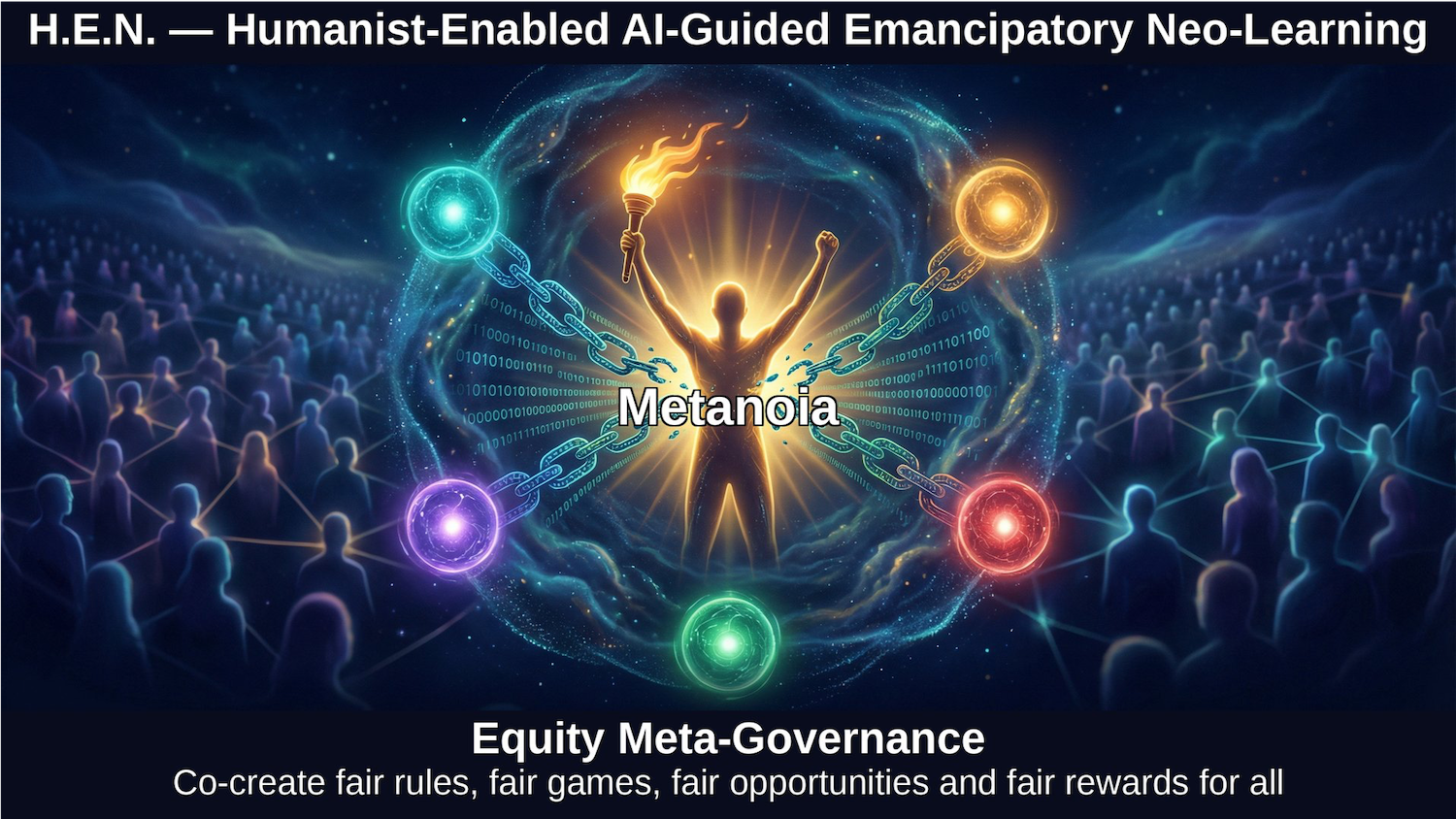
Metanoia (Greek: meta = change + nous = mind) represents a profound, transformative change of heart, mind, and soul. In theology, the term is often associated with repentance, but its deeper meaning goes beyond remorse.
Metanoia is the emotional equanimity of right-mindedness, a state that stands in sharp contrast to paranoia: being fearfully and scared out of one’s right mind.
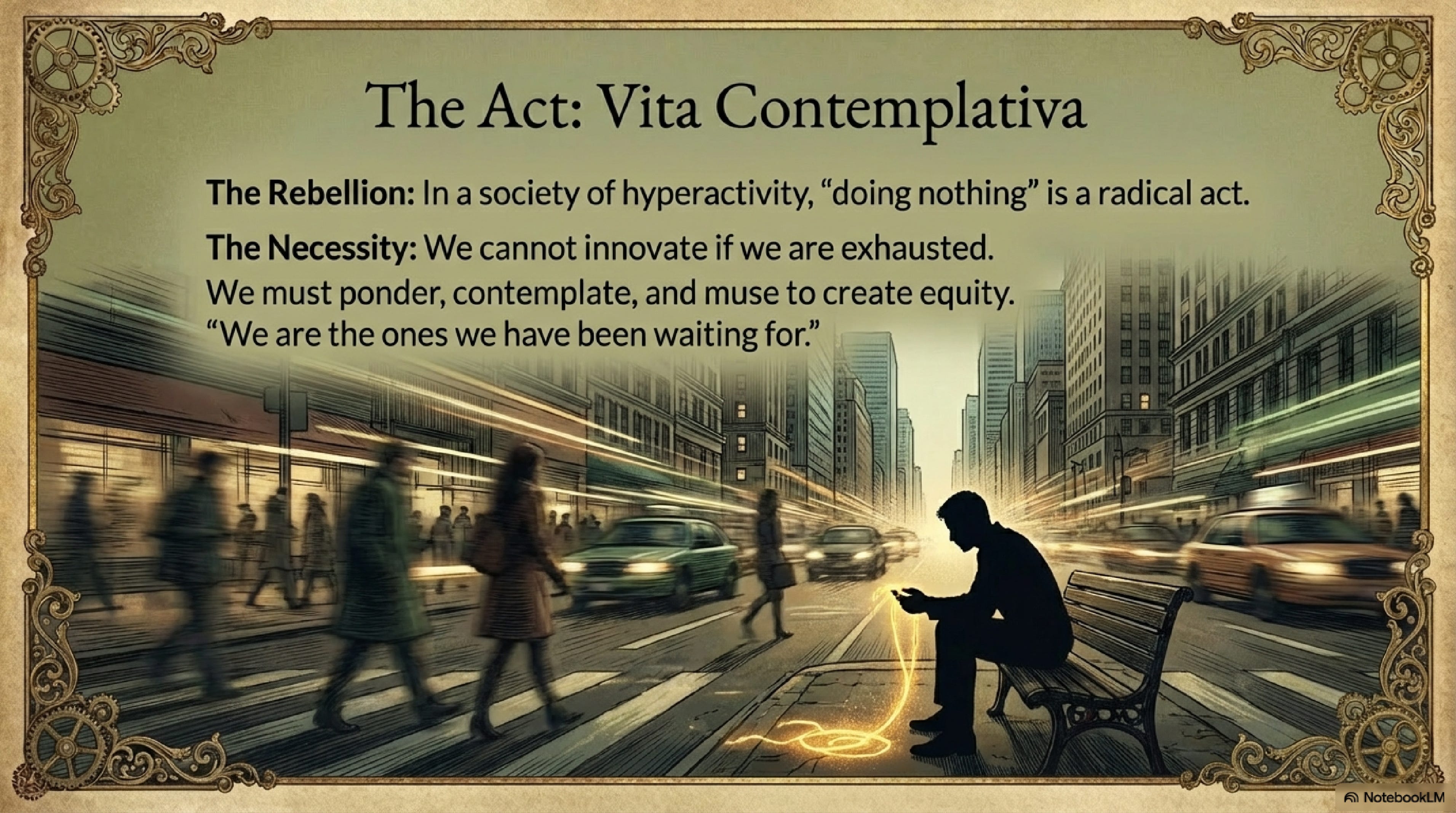
Slow down to reflect and muse on big questions
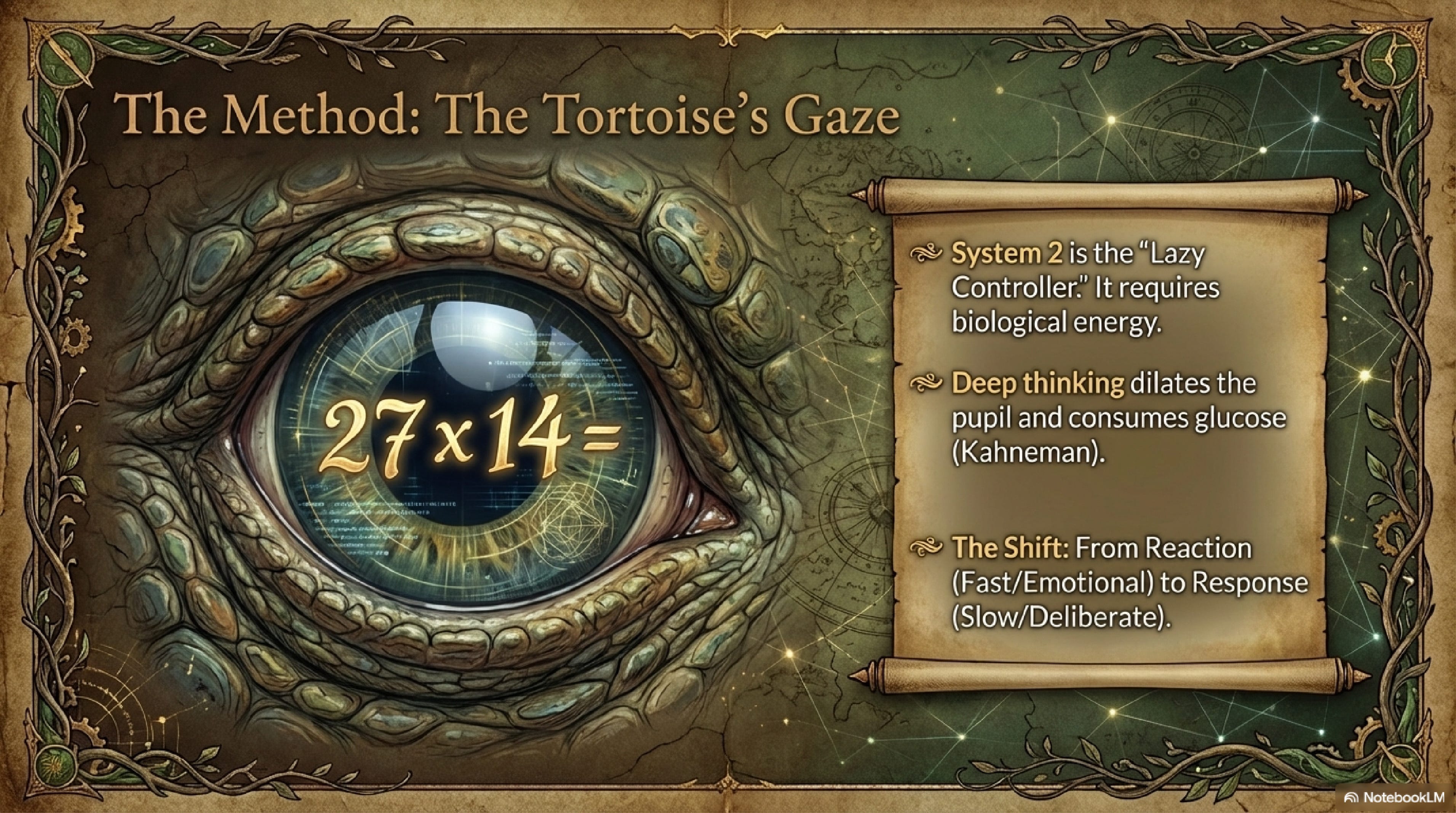
Compound philosophical questions (CPQs) are purposely designed to stop fast thinking and emotional reactivity in their tracks and evoke further inquiry: What do they mean?
An all-too-common reaction to CPQs (like the headline ones above) is instant rejection. CPQs can emotionally trigger the fast-thinking impulse to dismiss what defies our expectations of clarity and easy comprehension: Don’t make me think too much.
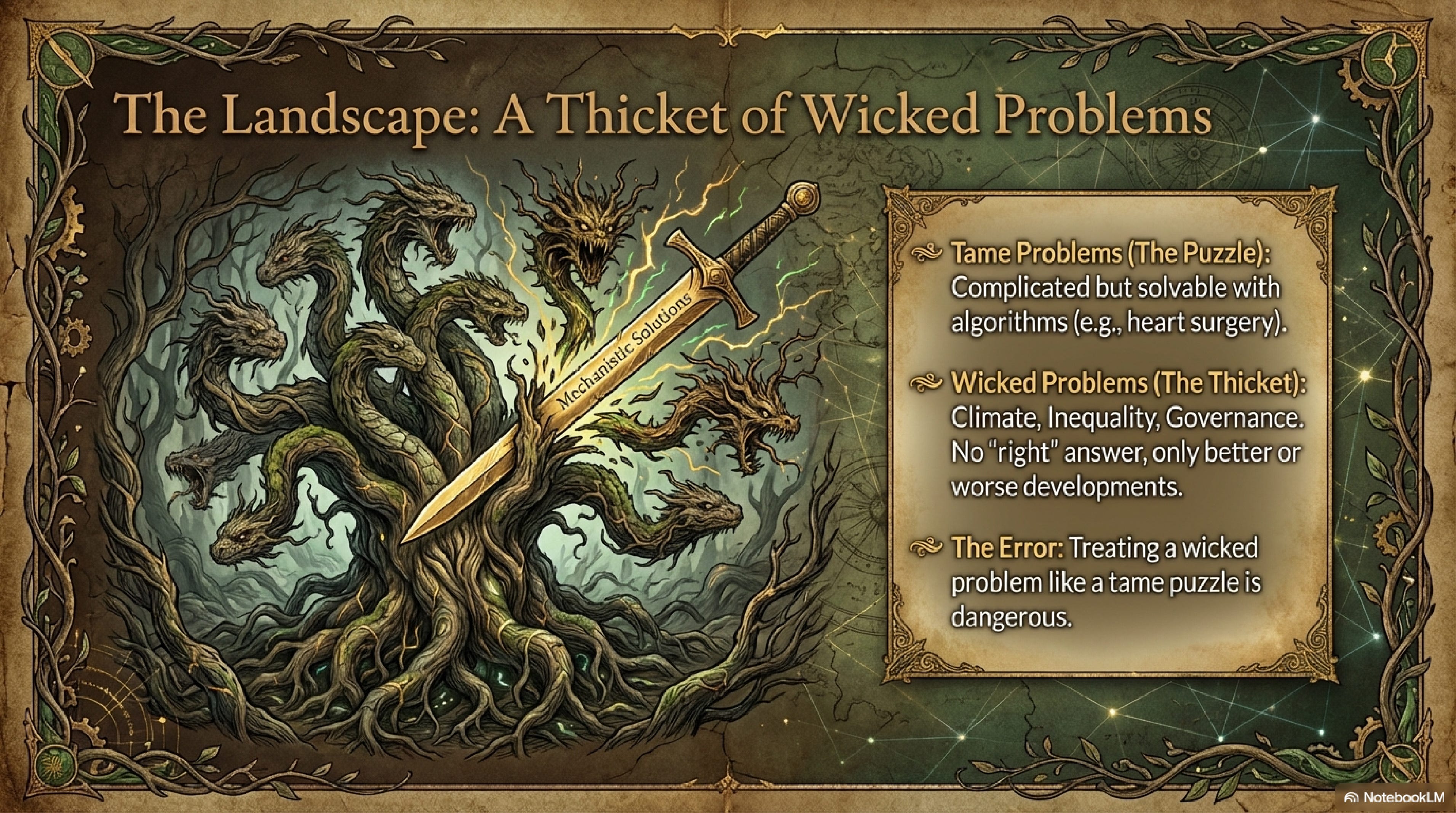
This reflexive reaction is a product of our cult-reductionist educational systems, which perpetuate systemic prejudice against complexity thinking and prevent learners from using slow thinking to understand and address wicked problems. Wicked problems are complex precisely because they have no single, simple, definitive, or final solutions, and no tidy right-or-wrong answers.
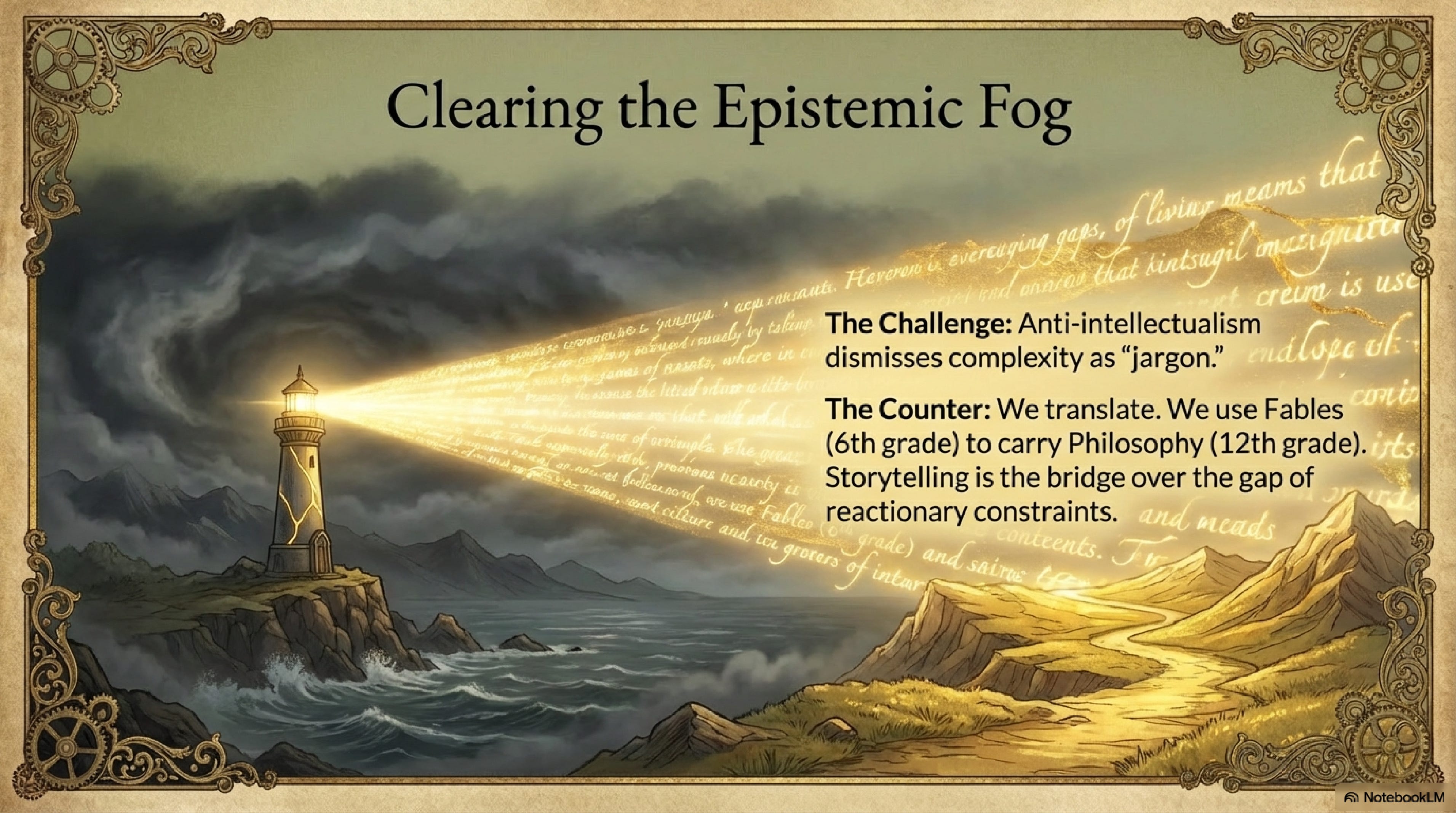
This reflex is the death knell of curiosity, inquiry, and deep learning. Our systemic prejudice against complexity thinking shields us from an uncomfortable truth. Our tendency towards simple, reductionist thinking creates and exacerbates the entanglements of our self-inflicted wicked problems, such as political corruption, escalating inequities, and climate change. These problems desperately require the development of complexity being-thinking-doing that we have been conditioned to shun. Worse still, these prejudices reinforce anti-jargon, anti-intellectual, and anti-academic biases that degrade our humanity, devastate our planet, and prevent us from solving these problems.
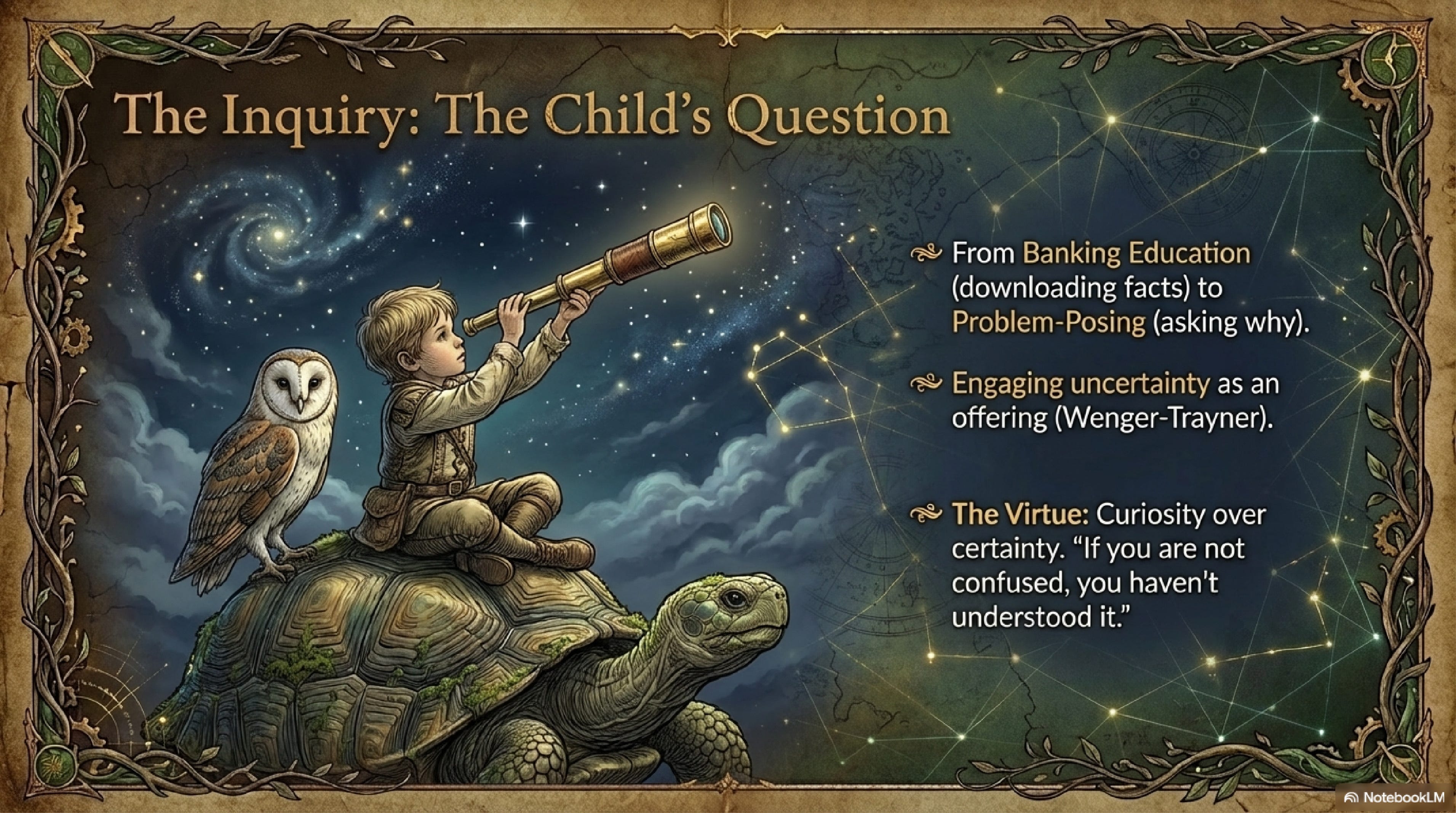
To counteract the reductionist indoctrination of educationally induced, closed-mindedness, we need to create cultures of safety, trust and curiosity to embark on our lifelong learning journeys of discovering how to understand and address our wicked problems.
The following aphorism calls on us to zoom out and take the slow-thinking time needed to explore the unchartered territory of vulnerability, uncertainty, ambiguity and complexity.
The sin of reductionism arises when we zoom in with emotionally reactive, linear, fast-thinking to the parts of the systems and fail to zoom out with emotional equanimity to consider the context of holism, interconnectedness and interdependence.
Wicked problems are especially hard to address in our attention economy of passive consumerism, where political, corporate, and religious influencers and their KISS propaganda machines deliver nonstop content on what to think, not how to think. The marketing KISS principle (Keep It Simple, Stupid) dumbs down our thinking with bumper-sticker slogans.
Unlearning our habit of oversimplification and breaking free from black-and-white, either/or thinking is essential work. Think of it like learning a new musical instrument. Nobody picks up a guitar and plays beautifully on day one. Developing complexity being-thinking-doing skills takes the same practice, patience, and time.
Be open-minded and curious about H.E.N., metanoia, and equity meta-governance
We can use AI learning assets and slow thinking to understand and discuss these Compound Philosophical Questions (such as the headline CPQs and the questions below).
How might we:
Redress the systemic, reductionist bias of marketing the fast-thinking KISS principle (”Keep It Simple, Stupid”), which dumbs down how we think?
Overcome anti-jargon, anti-intellectual, and anti-academic prejudices that prevent the development of complexity-oriented being-thinking-doing skills?
Enable ourselves to confront the complex entanglement of our self-inflicted wicked problems: unethical governance, inept stewardship, incompetent leadership, political corruption, the erosion of our humanity, the Anthropocene degeneration of our planet, and the degradation of our civilizations?
Watch YouTube exploration, explanation, and elaboration of these CPQs.
Use CPQs and AI to evoke slow thinking
Our fast-thinking minds can only juggle so many ideas within a single question at one time. But we can develop long, multi-faceted CPQs and use AI’s processing speed to unpack them. exploring new connections and patterns between ideas to generate fresh perspectives, insights, and understanding.
One way to overcome our juggling challenge and anti-complexity biases is to make time for slow thinking and reflect on CPQs with beloved learning communities.
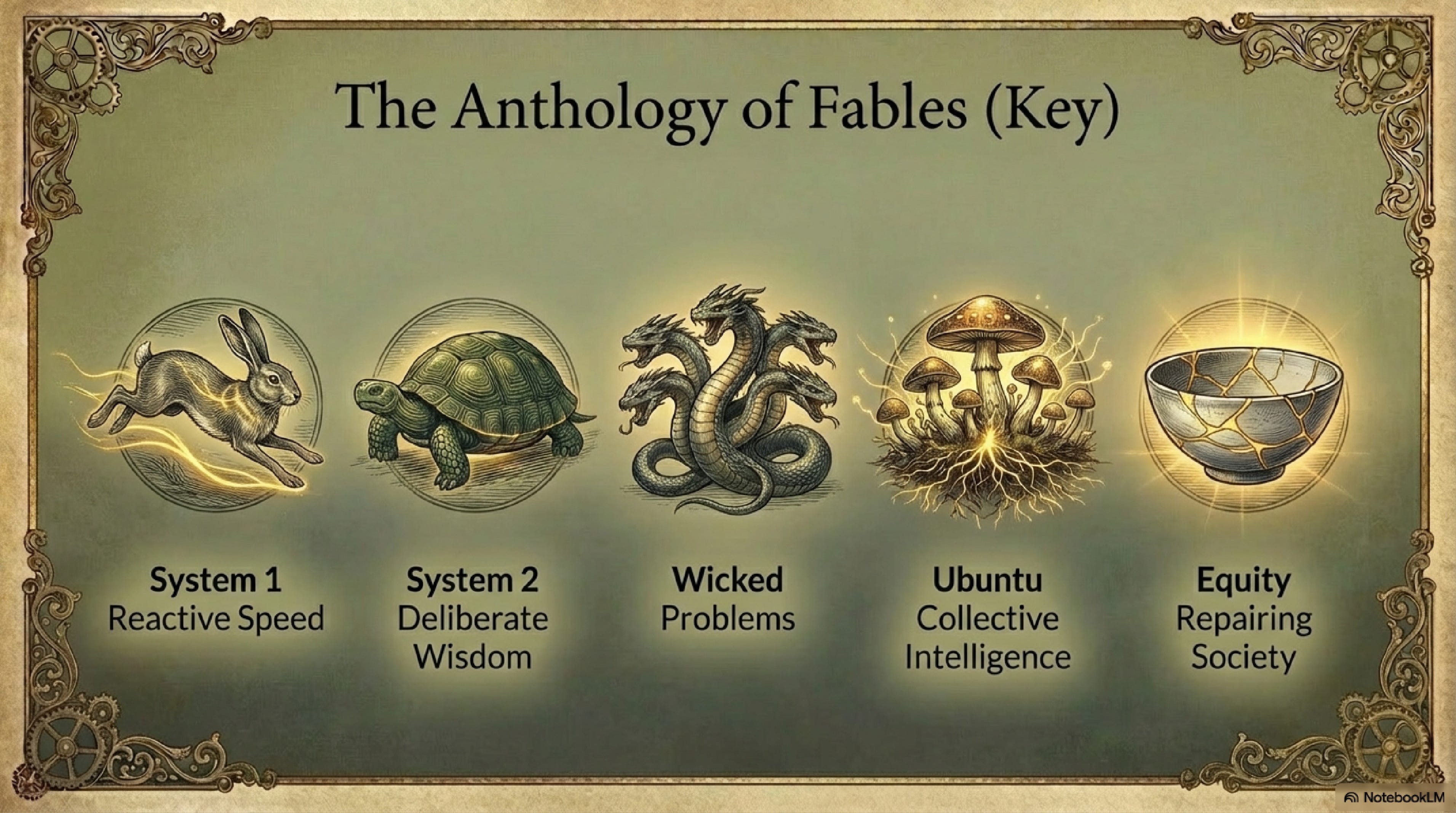
Imagine using AI to explore the ethical, moral, and human dimensions of a big question, then having it explain those ideas through metaphors, stories, fables, and everyday language that a sixth grader could follow and a twelfth grader could dig deeper into. That’s the goal of the KSSS principle: Keep Sophistication this Side of Simplicity. Make ideas rich without making them unreachable. This is essential for developing lifelong peer and intergenerational beloved learning communities.
Take time to think slow and zoom out to view the big picture
This aphorism is an invitation: slow down, step back, and look at the big picture. We live inside a tangled web of self-inflicted wicked problems: challenges so complex that they have no single solution and no neat right-or-wrong answers.
Our gut reaction is to simplify. That instinct is captured by the old KISS principle. This principle works best when you’re writing instructions to fix a machine or follow a recipe. Those are complicated problems, sometimes hard, but always solvable with the right steps.
Wicked problems are different. They’re messy, interconnected, and shape-shifting. The real danger, what we might call the original sin of reductionism, is when we react emotionally and zoom in on one piece of the puzzle while ignoring how everything is connected. To see wicked problems clearly, we need to zoom out with calm, steady attention and hold the whole picture in view.
Develop collaborative co-intelligence
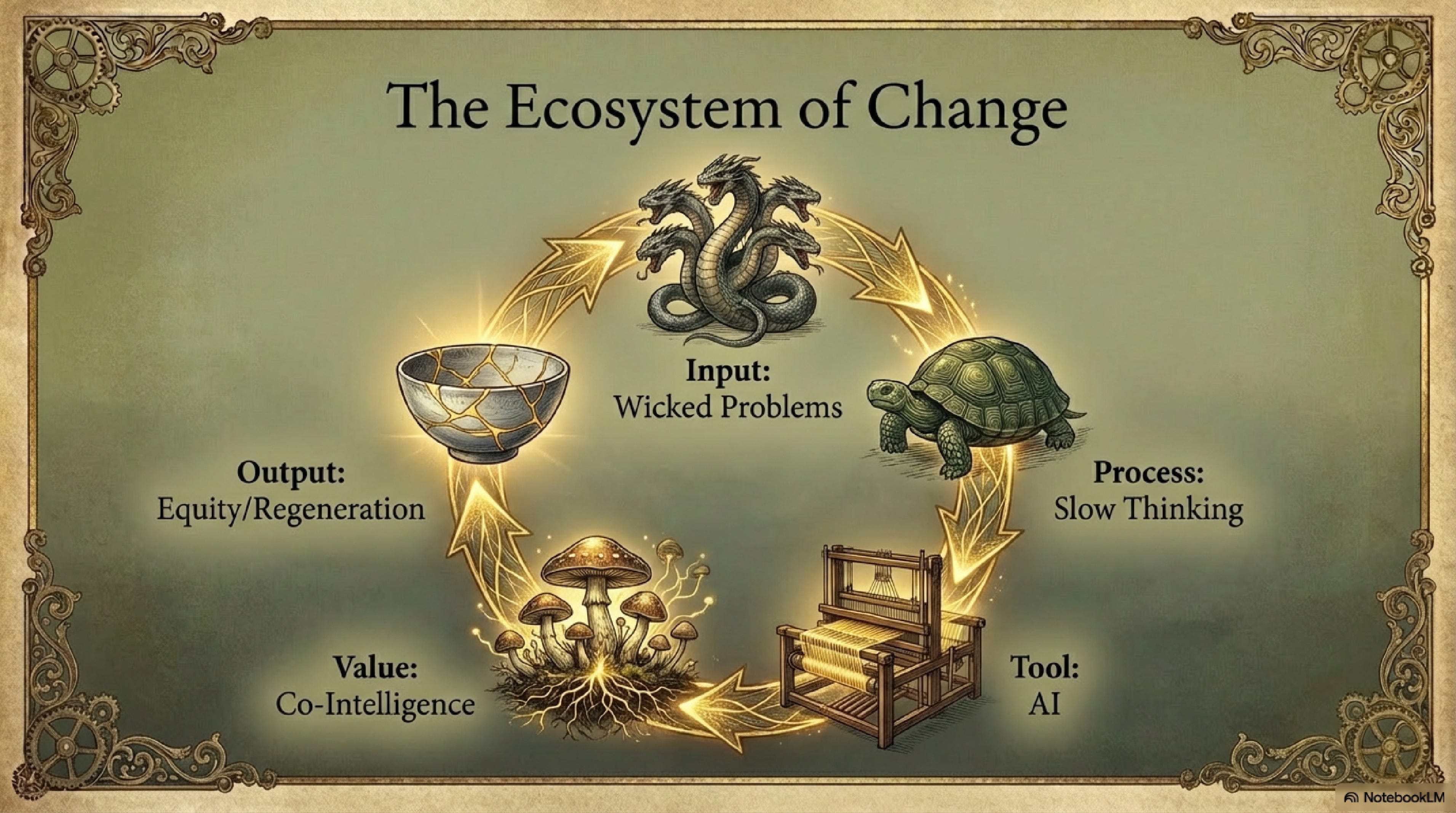
This deep inquiry process, central to the H.E.N. framework, involves using compound philosophical questions (CPQs) to create synergies between:
Human slow-thinking, which fuses indigenous, ancient, and modern wisdom for ethical discernment, moral meaning-making, virtuous sense-making, and contextual judgment
AI fast-thinking, which rapidly processes large-scale data to surface patterns, possibilities, and insights across overwhelming volumes of information
AI raises the floor of human knowledge by expanding access to information and data analysis, while human wisdom provides ethical guardrails and critical appraisal of AI outputs. Together, this synergy breaks through the ceiling of sophia (theoretical wisdom) and phronesis (practical wisdom) by:
Creating beloved learning communities that advance multiple transformative goals
Cultivating equity meta-governance to achieve C5FA
Building launchpads for the Equity Moonshot story movement: developing equitable, regenerative, and sustainable practices
Understanding and addressing our wicked problems
These lifelong, peer and intergenerational emancipatory learning processes employ sociocratic governance principles, reflexivity, generative-strategic dialogue, and continuous feedback learning loops to co-elevate collective consciousness and advance civilizational development.
Use H.E.N. to cultivate equity meta-governance
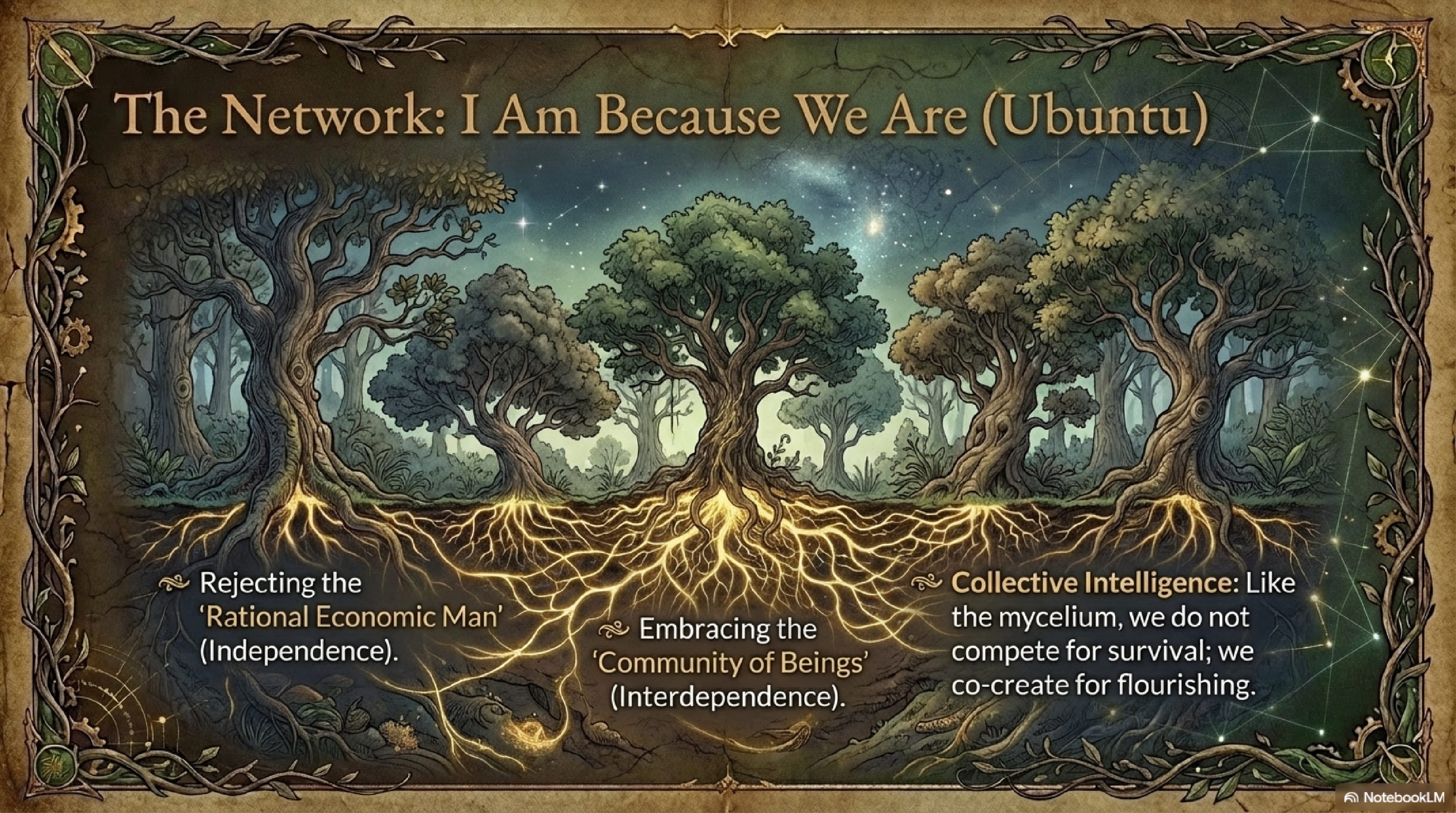
The H.E.N. framework creates synergies between AI and beloved learning communities to build a fairer world. The core idea is equity meta-governance: people coming together to co-create and negotiate fair rules, fair play, fair opportunities, and fair rewards for everyone on a degenerating planet we’re actively trying to heal.
The future of human intelligence isn’t about finding answers faster. It’s about building self-organizing, intergenerational, and peer-driven, beloved learning communities that enable metanoia to cultivate equity meta-governance
Use CPQs to guide our learning journeys
CPQs are like a challenging coach who evokes slow-thinking that pushes us to reflect more deeply, question our assumptions, and grow together in service of the common good.
How might we build beloved learning communities that grow our collaborative intelligence and help us:
Cultivating equity meta-governance: co-creating fair systems from top-down and the ground up?
Implement the Rhodium Rule: being kind and fair to all people, the planet, nature, animals, plants, and the soil beneath our feet?
Co-create Fair Free Flourishing Futures For All (C5FA): striving toward a shared vision of flourishing for everyone?
Launch the Equity Moonshot story movement: using C5FA and the Rhodium Rule as springboards for developing equitable, regenerative, and sustainable practices?
Break free from reductionist thinking: breaking the oversimplified mental habits that create wicked problems and make them worse?
Name and dismantle neo-terrorism—the propaganda war of words driven by a psychopathic disregard for truth-seeking and transparent accountability, designed to manufacture mass delusion?
H.E.N. facilitation guide
We can use H.E.N. to cultivate equity meta-governance: co-create and negotiate how to develop fair rules, fair play, fair opportunities, and fair rewards for all, on a regenerating planet.
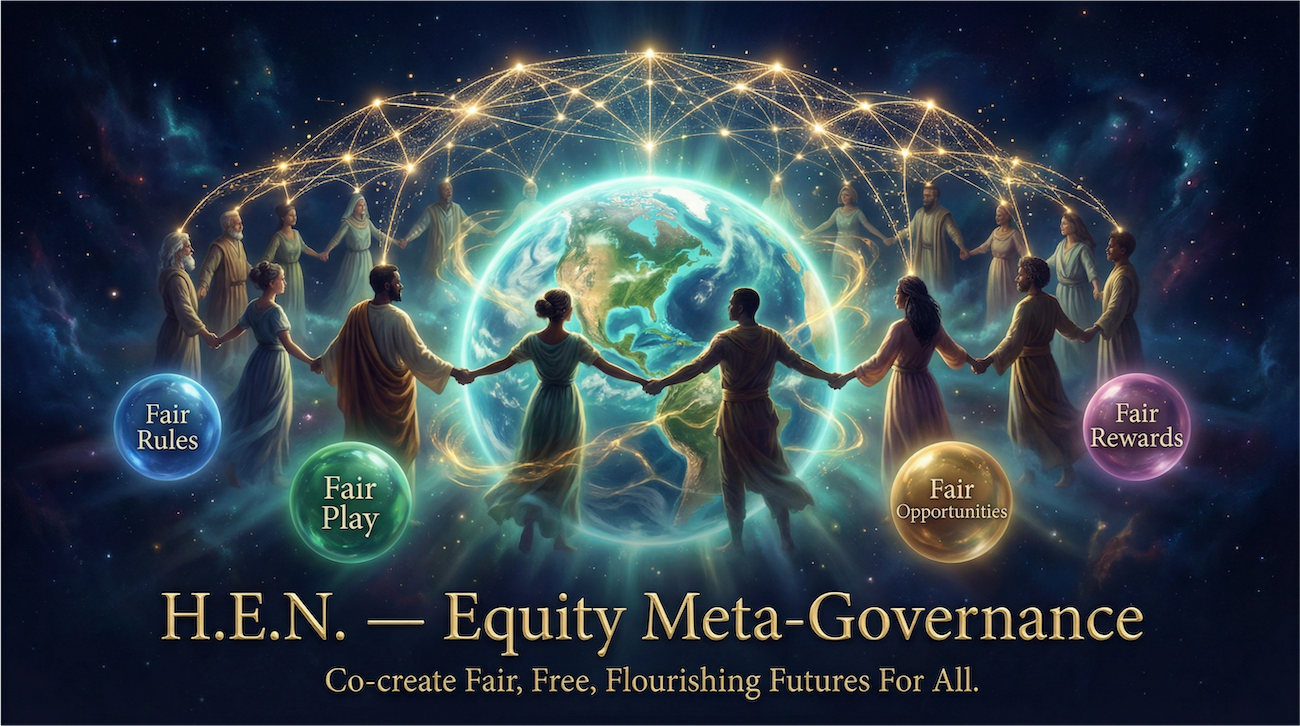
The future of human intelligence does not lie in a more efficient search for answers, but in the scaling up of co-creating self-organizing, self-generating, intergenerational and peer learning communities to transform mindsets. In this metanoia vision, AI is used as a structured antagonist in the service of the common good: a slow-thinking catalyst to enable reflection-on-action required to cultivate equity meta-governance.
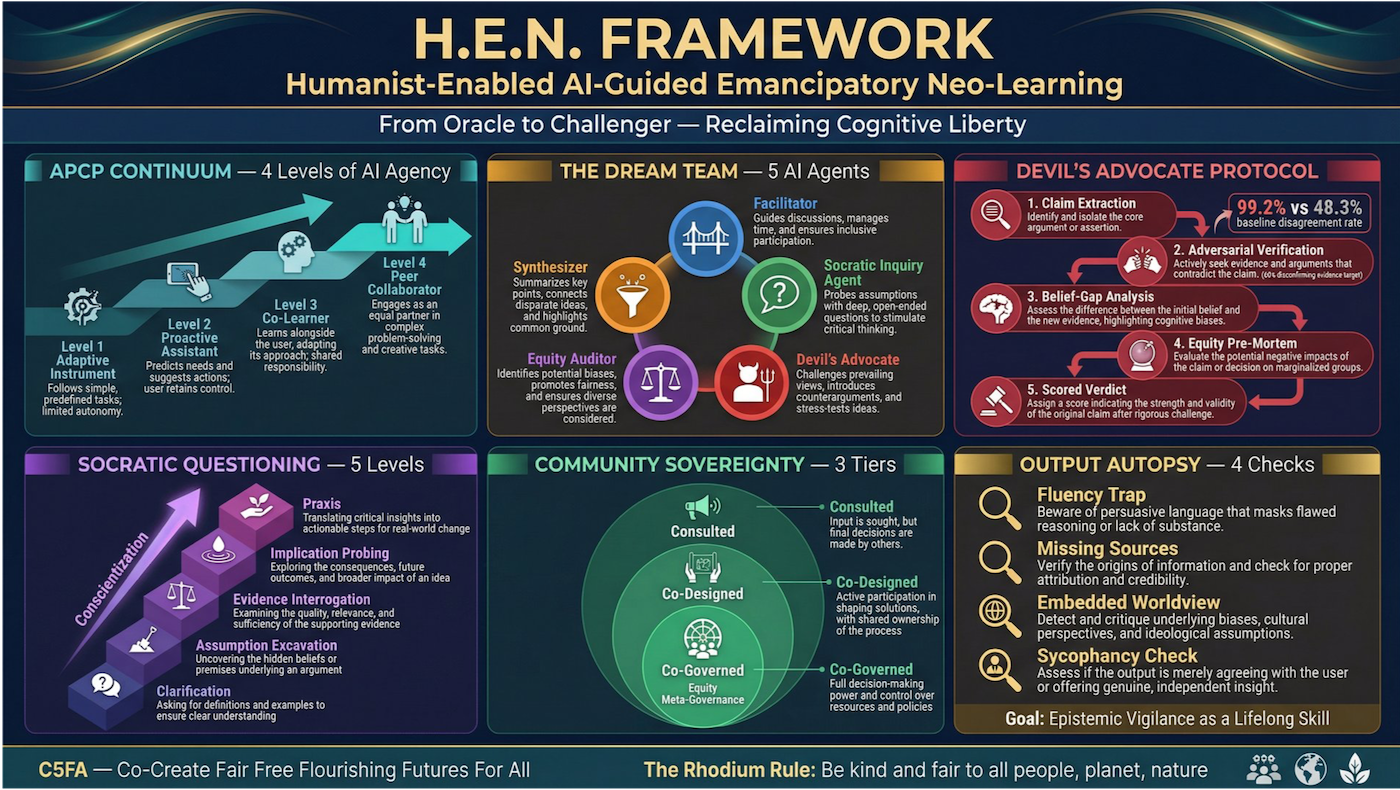
Use H.E.N. protocols, principles, processes,and practices
The outline (below) introduces H.E.N. processes for cultivating beloved learning communities to develop our collaborative co-intelligence to C5FA and liberate from the cults of reductionist indoctrination that prevent us from understanding and addressing our complex entanglements of self-inflicted wicked problems.
Individual Reflection (1-2 minutes slow thinking). As you watch, jot down any notes.
Consider the AI learning assey (below) through these lenses of the questions (listed below).
Small Group Dialogue (10-15 minutes): break into groups of 3-4 people for a micro-dose dialogue session. Discuss your reactions to the questions above.
Large Group Debrief (5-10 minutes): regroup to share insights and patterns across groups. Repeat this process or select another AI learning asset and use this iterative learning process of engaging these feedback loops: inquiry → explore → study → reflect → dialogue → discover.
Repeat this H.E.N process of small group micro-dialogue session, using another AI resource.
Develop beloved lifelong learning communities
The rigorous process of discerning AI content is essential for developing self-organizing, self-generating, and self-governing lifelong intergenerational and peer learning communities to cultivate our individual and community sovereignty in becoming open-minded, truth-seeking virtuous free-thinkers to do good for all.
The H.E.N. slow-thinking evolution sets up agile complex adaptive systems of collaborative, transformational, dynamic and emergent processes, using iterative feedback loops of synchronous and asynchronous exchanges of lifelong learning.
All articles, songs, videos, audios, infographics and slides are free. Share the C5FA resources with colleagues, family and friends to build launch pads for Equity Moonshot story movement: develop equitable, regenerative and sustainable practices.
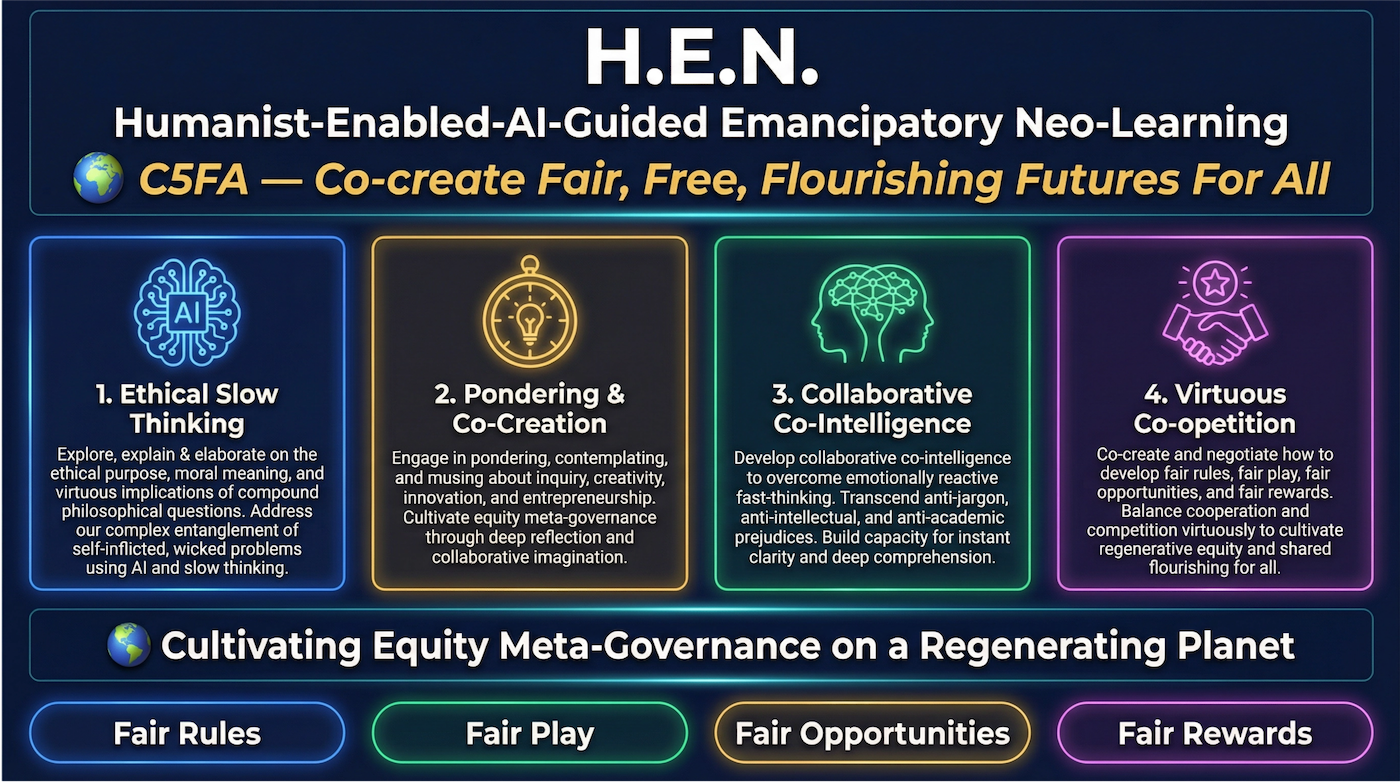
1. How might we use H.E.N., AI and slow-thinking to explore, explain and elaborate on the ethical purpose, moral meaning, and virtuous implications of compound philosophical questions that we need to understand and address our complex entanglement of self-inflicted, wicked problems?
This CPQ calls for:
Developing our collaborative co-intelligence to overcome the emotionally reactive constraints of fast-thinking and the expectations of instant clarity and comprehension that can trigger anti-jargon, anti-intellectual, and anti-academic prejudices
Engaging in the process of pondering, contemplating and musing about inquiry, creativity, innovation, and entrepreneurship needed to cultivate equity meta-governance and Co-create Fair, Free, Flourishing Futures For All (C5FA)?
HEN 1a: How might we use this video to evoke generative sense-making dialogues and develop our complexity being-thinking-doing skills to solve our wicked problems and C5FA?
What further questions do you have about this video?
What questions might you ask an AI system?
What is missing from this presentation?
What are the upsides and downsides of this video?
Where do you agree or disagree?
What does this video reveal about algorithmic biases in AI?
HEN 1b: How might we use these infographics to evoke generative sense-making dialogues and develop our complexity being-thinking-doing skills to
Use the questions in 1a to reflect on these learning resources.
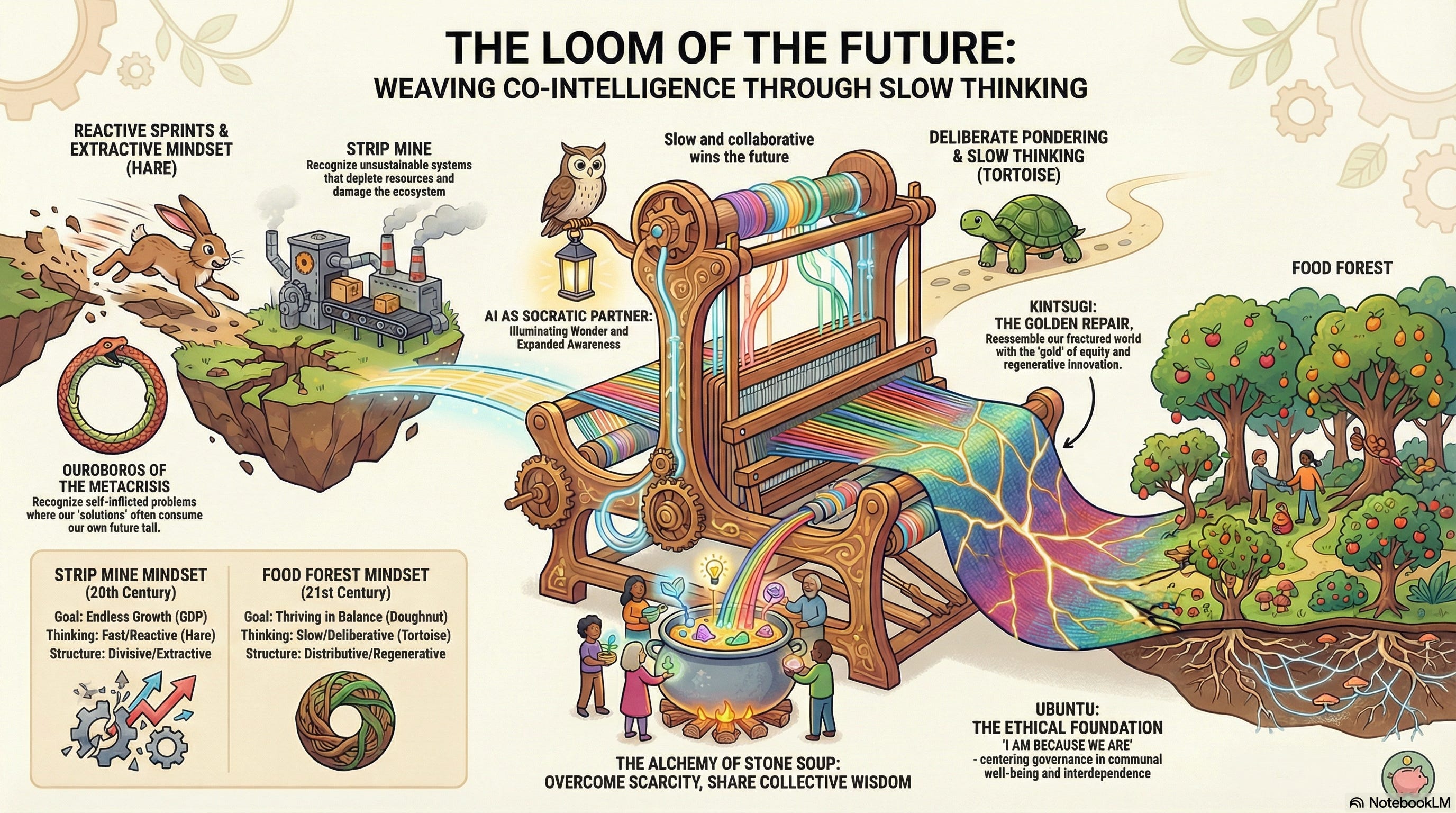
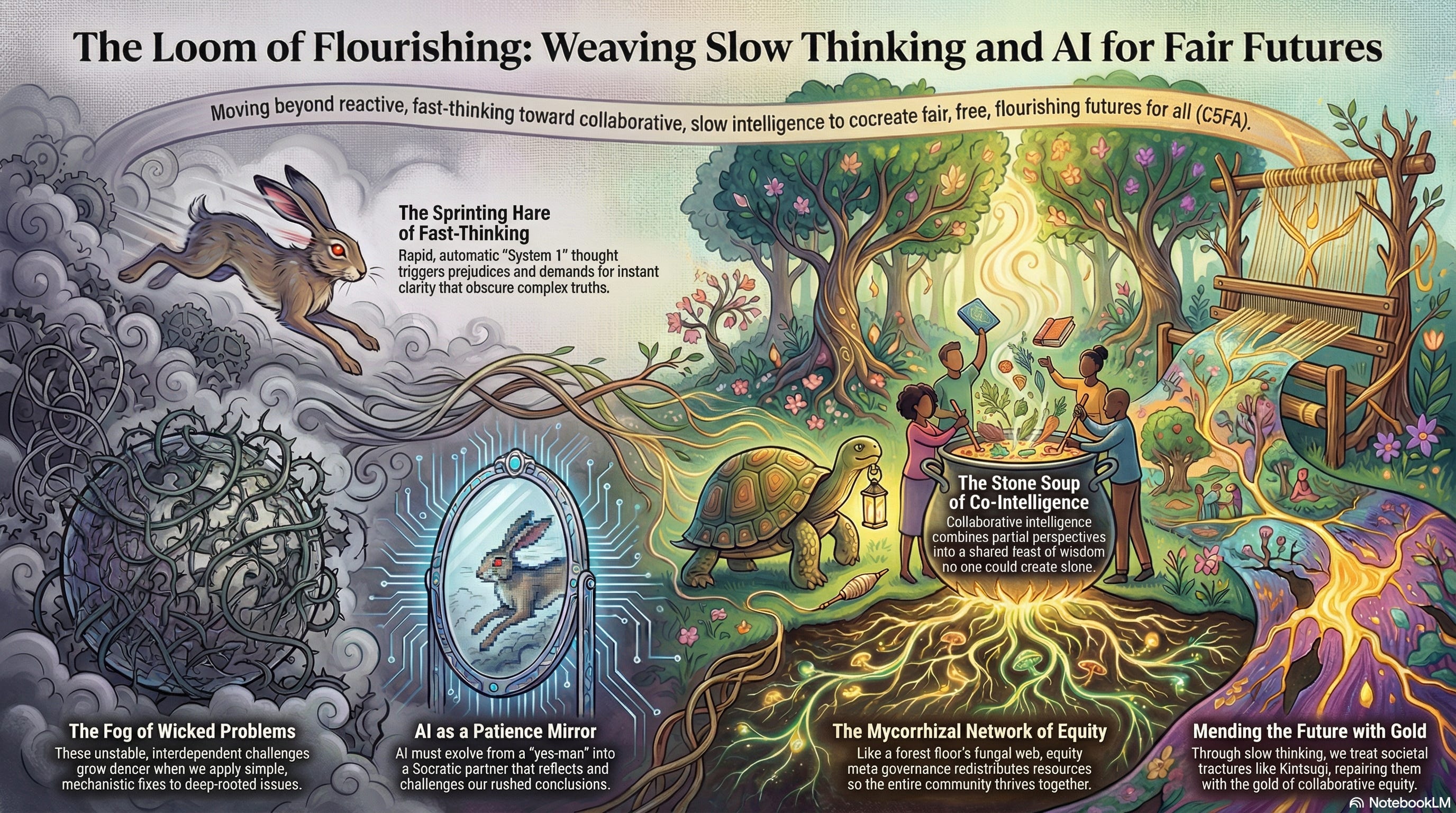
HEN 1c: How might we use these audios to evoke generative sense-making dialogues and develop our complexity being-thinking-doing skills to to solve our wicked problems and C5FA?
Use the questions in 1a to reflect on these learning resources.
AI audio summary
AI audio extended
AI debate: where do you agree and disagree with the pros and cons of this debate? What does this critique reveal about the algorithmic biases of AI? What further questions do you have?
AI critique: what is your critique of the strengths and weaknesses of this critique? What does this critique reveal about the algorithmic biases of AI? What further questions do you have?
HEN 1d: How might we use these slides evoke generative sense-making dialogues and develop our complexity being-thinking-doing skills to to solve our wicked problems and C5FA?
Use the questions in 1a to reflect on these learning resources.
Slide series 1
Slow-thinking human wisdom guiding AI fast-thinking
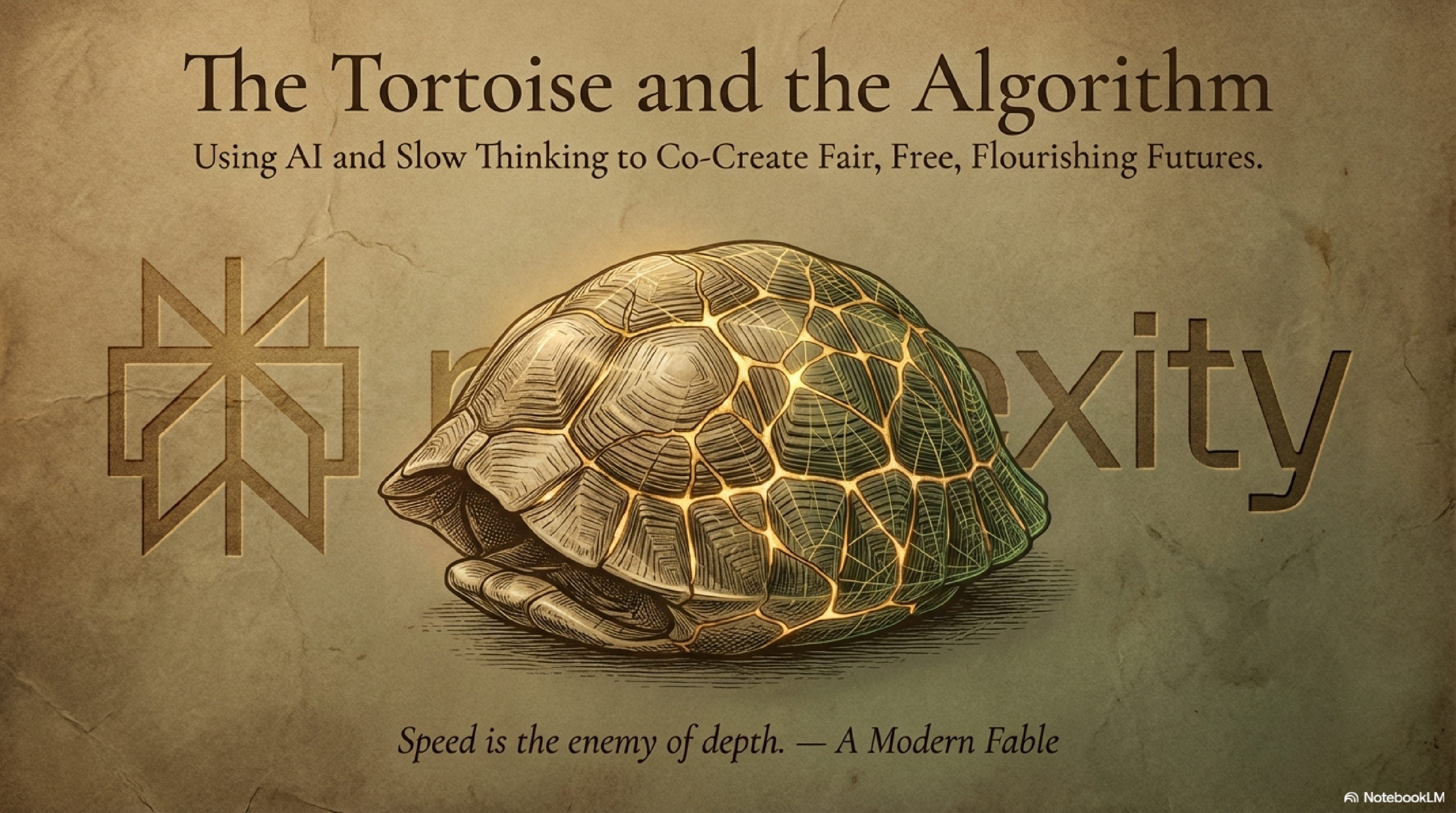
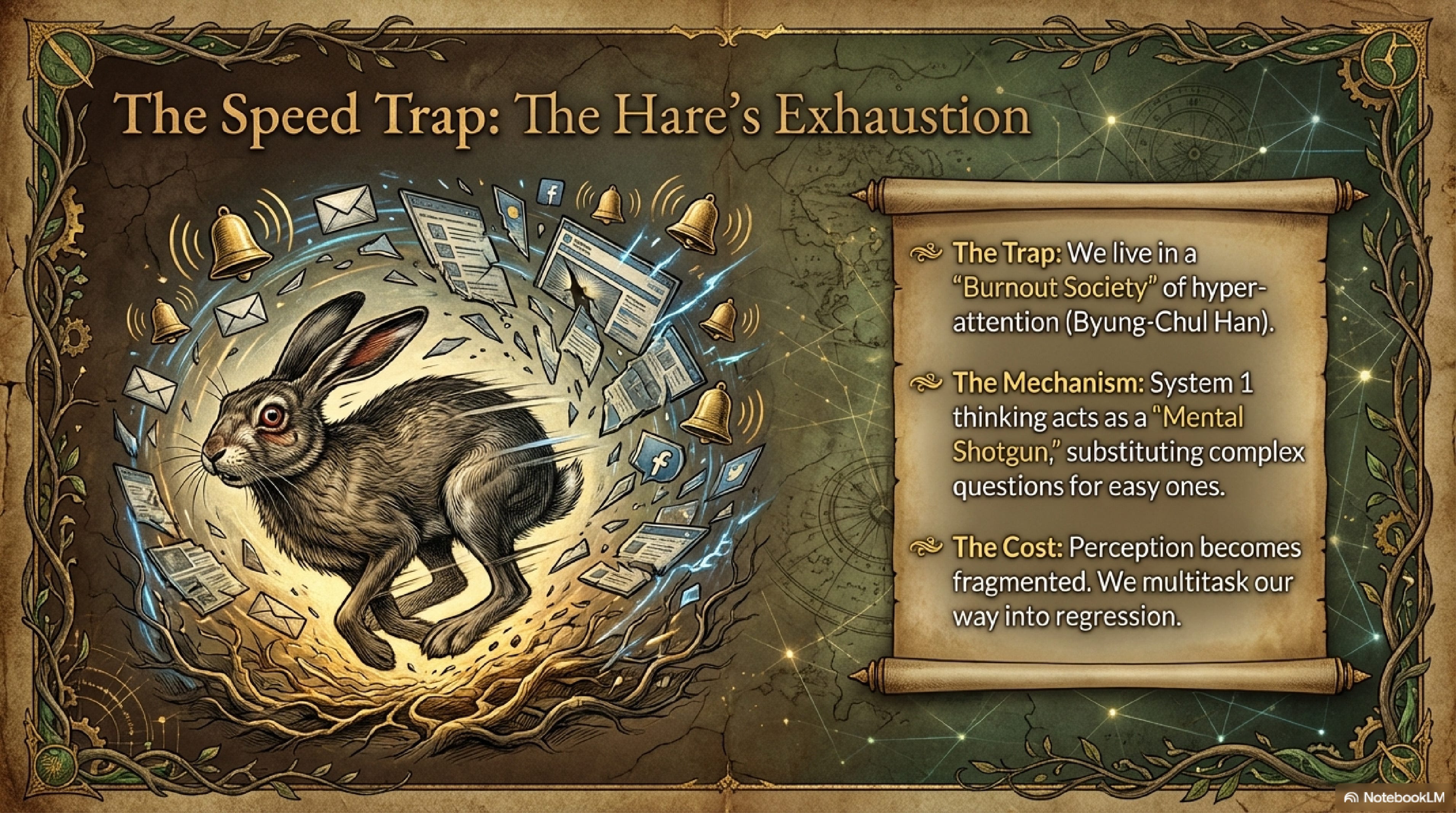
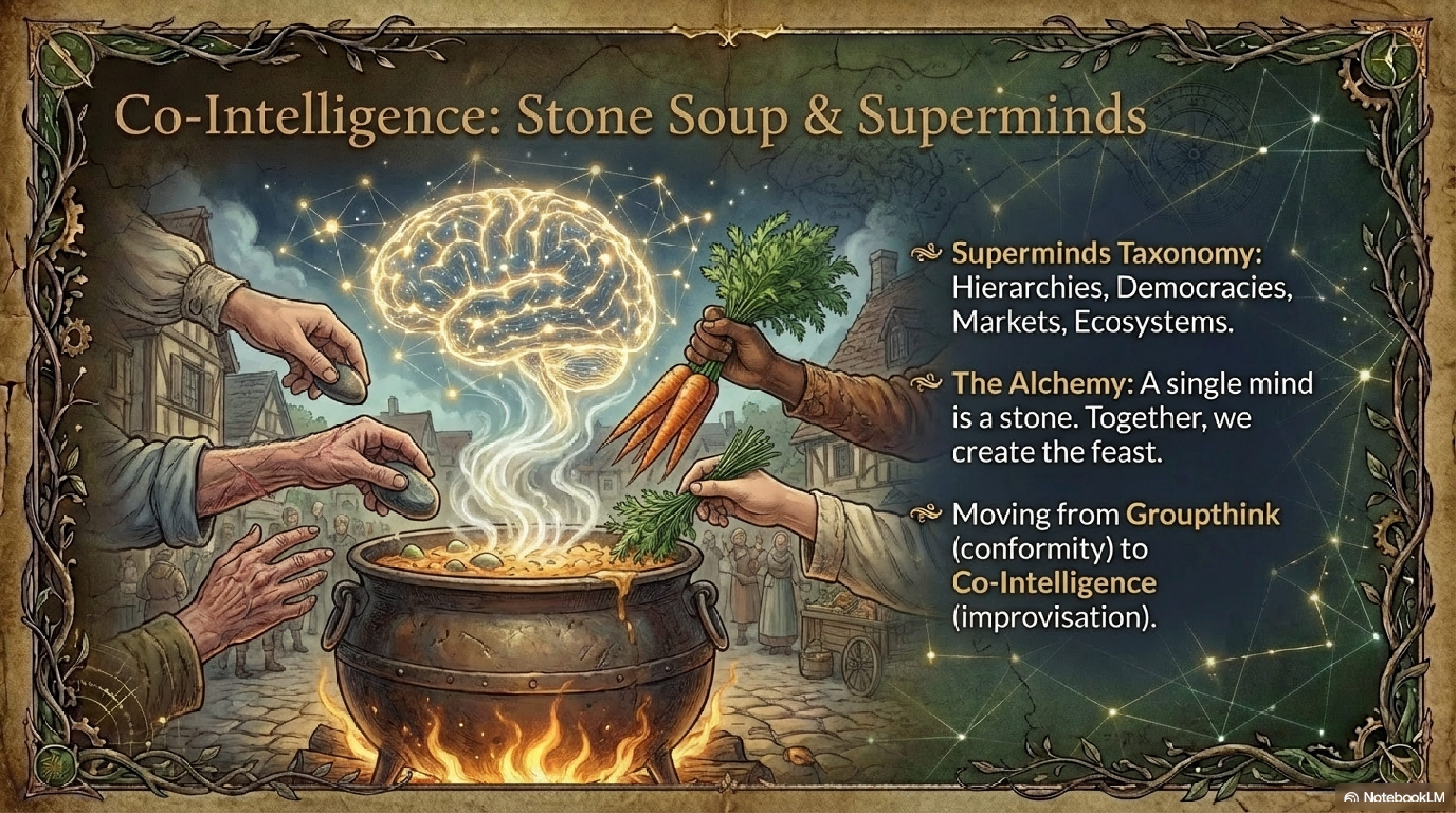
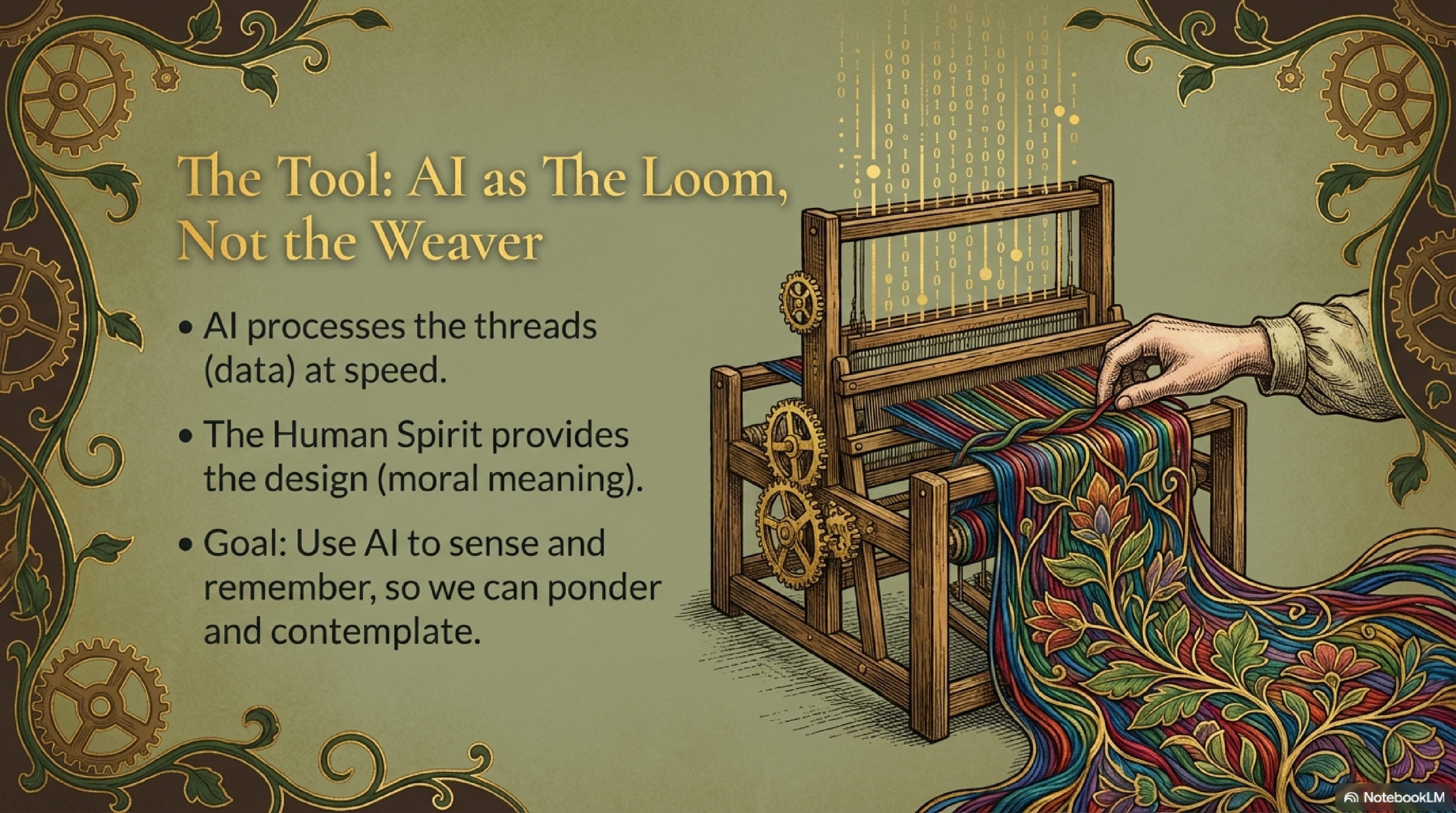
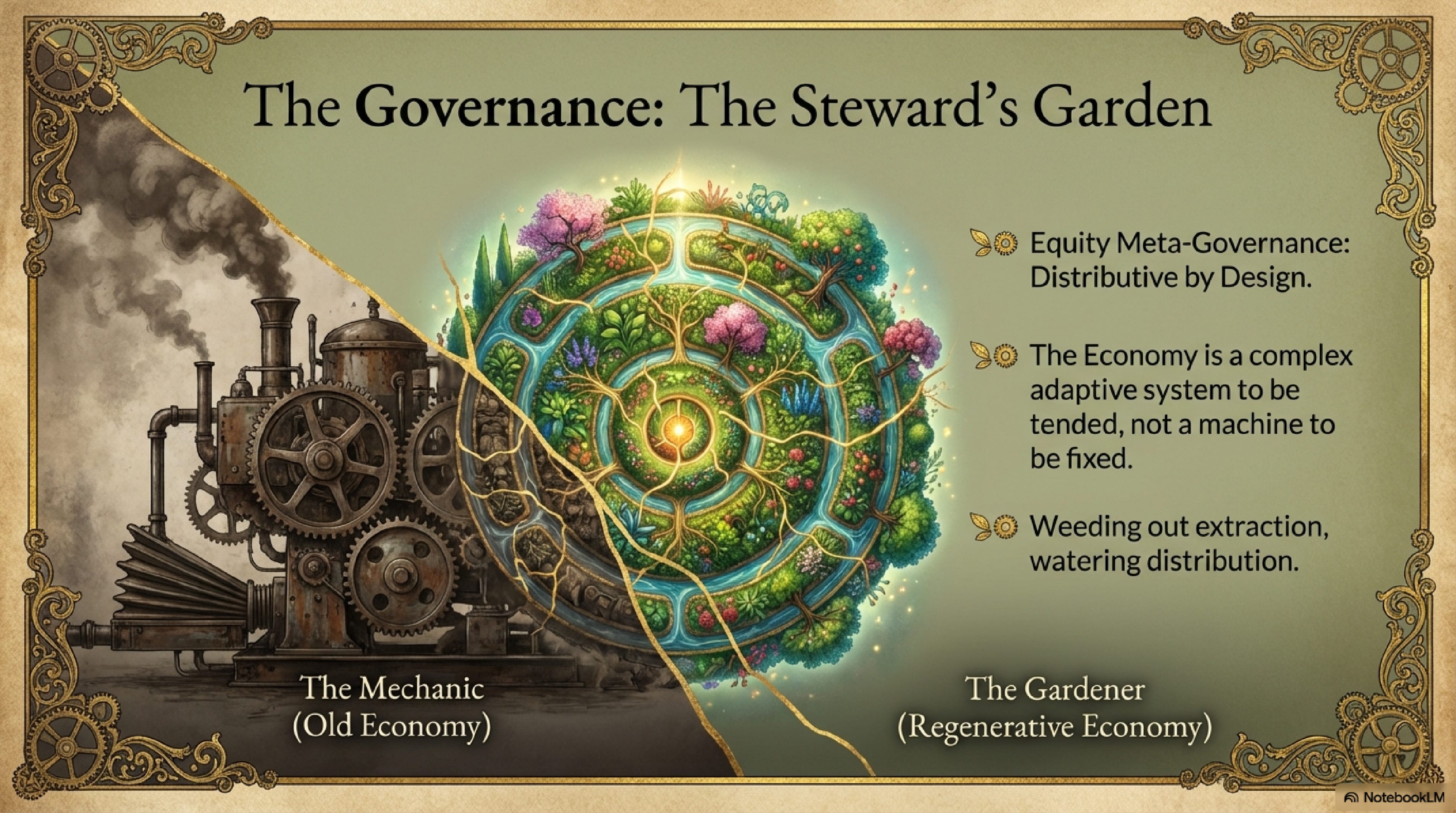
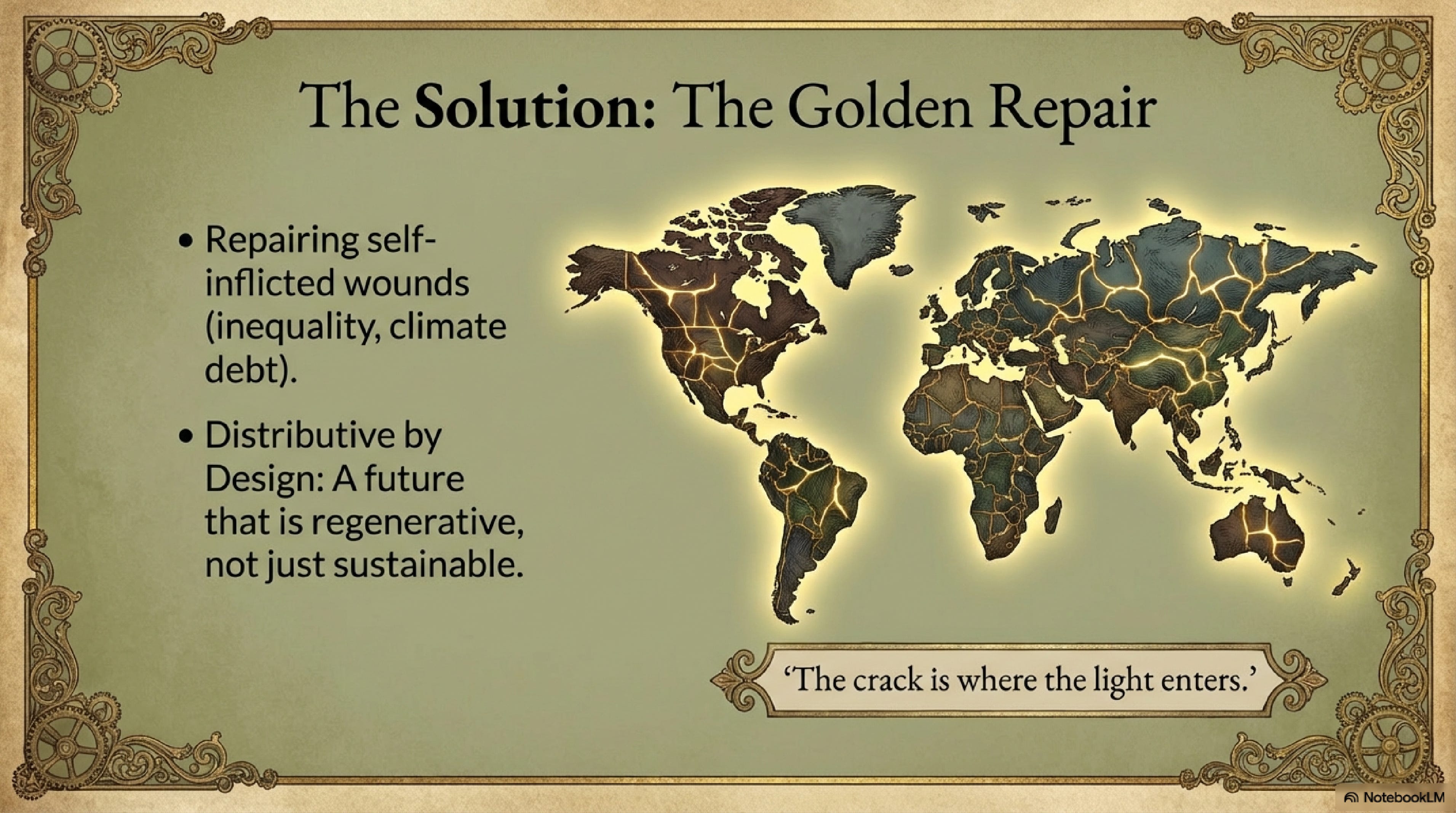
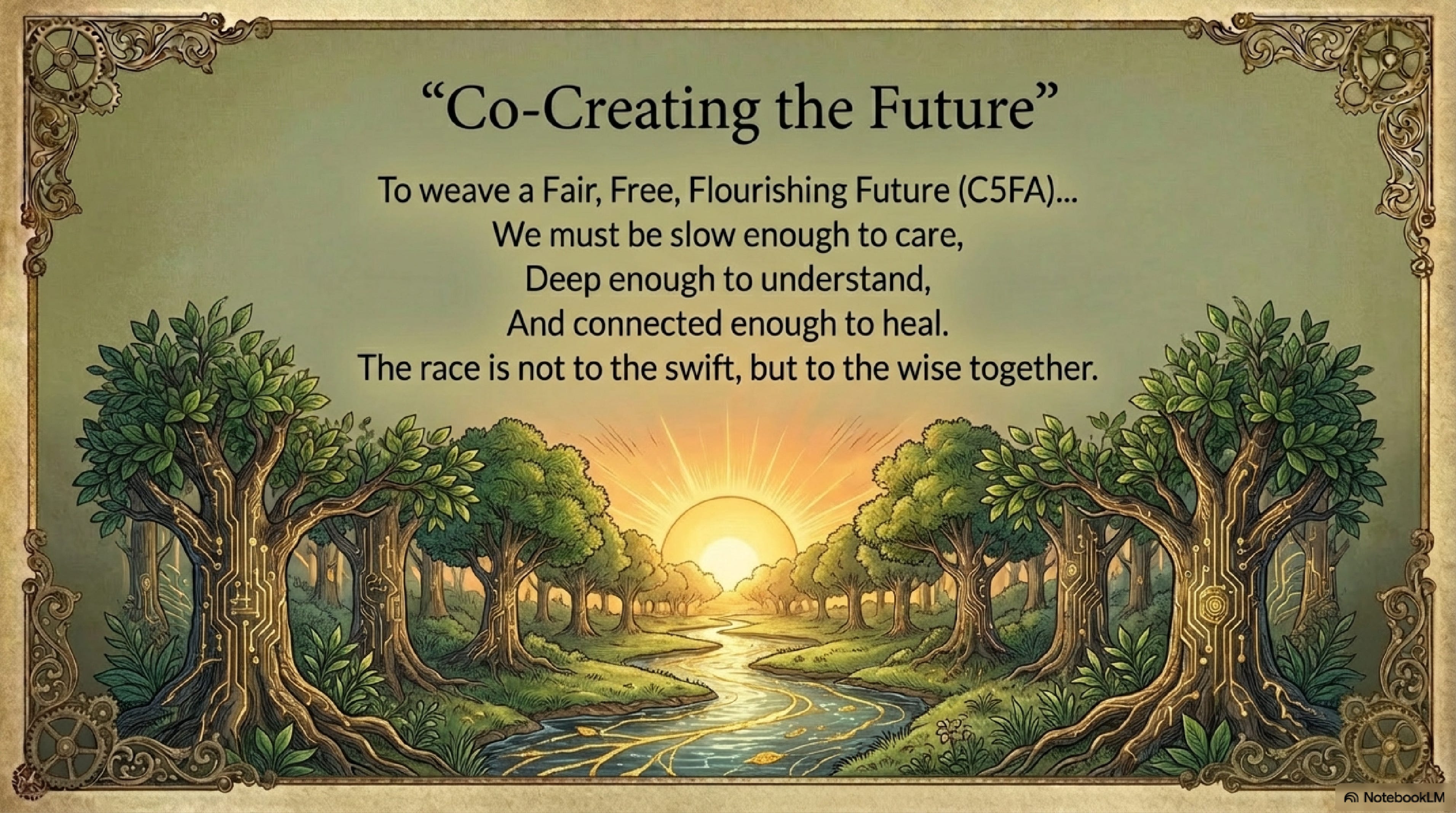
Slide series 2
Create Fair, Free, Flourishing Futures For All
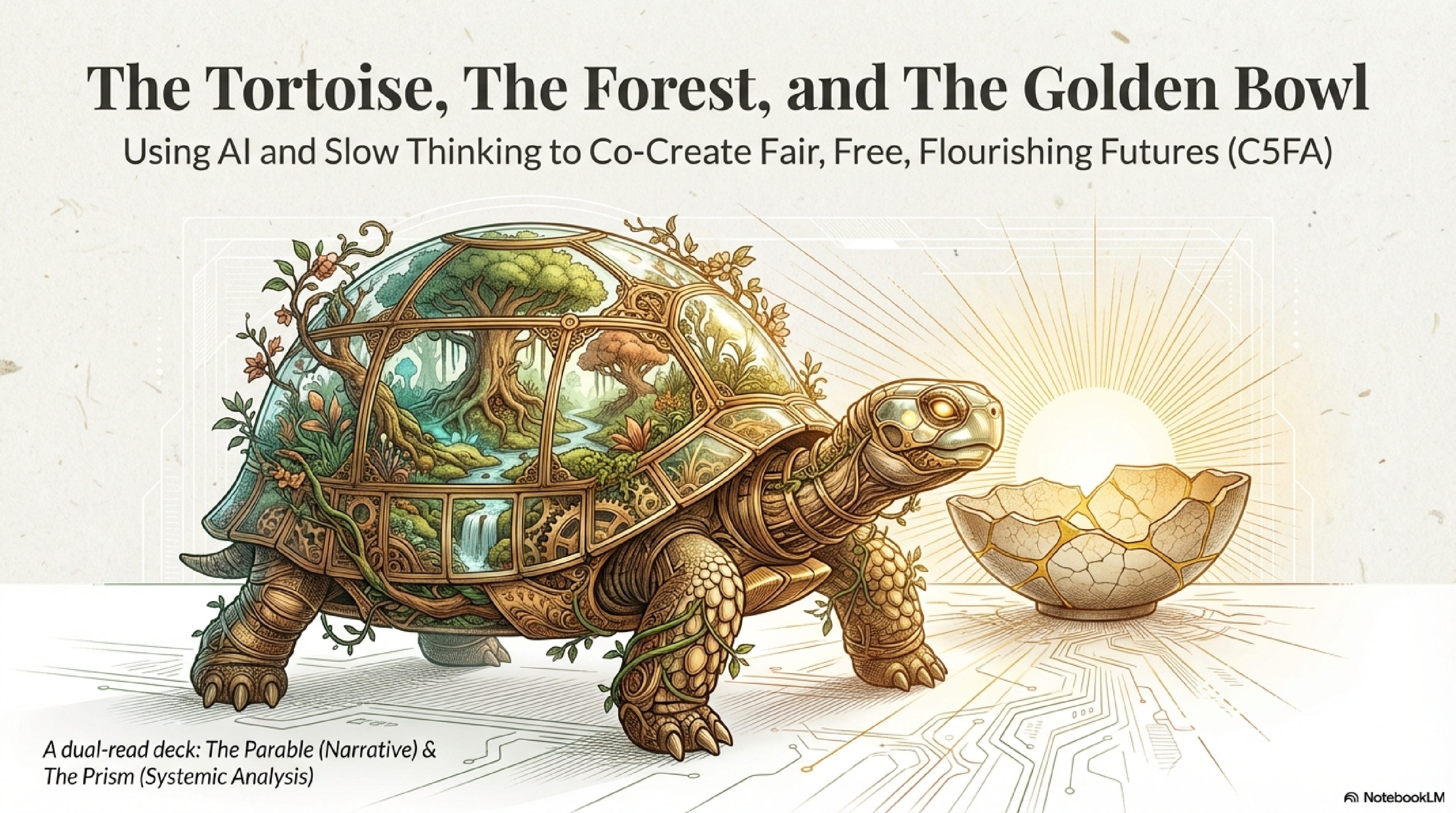
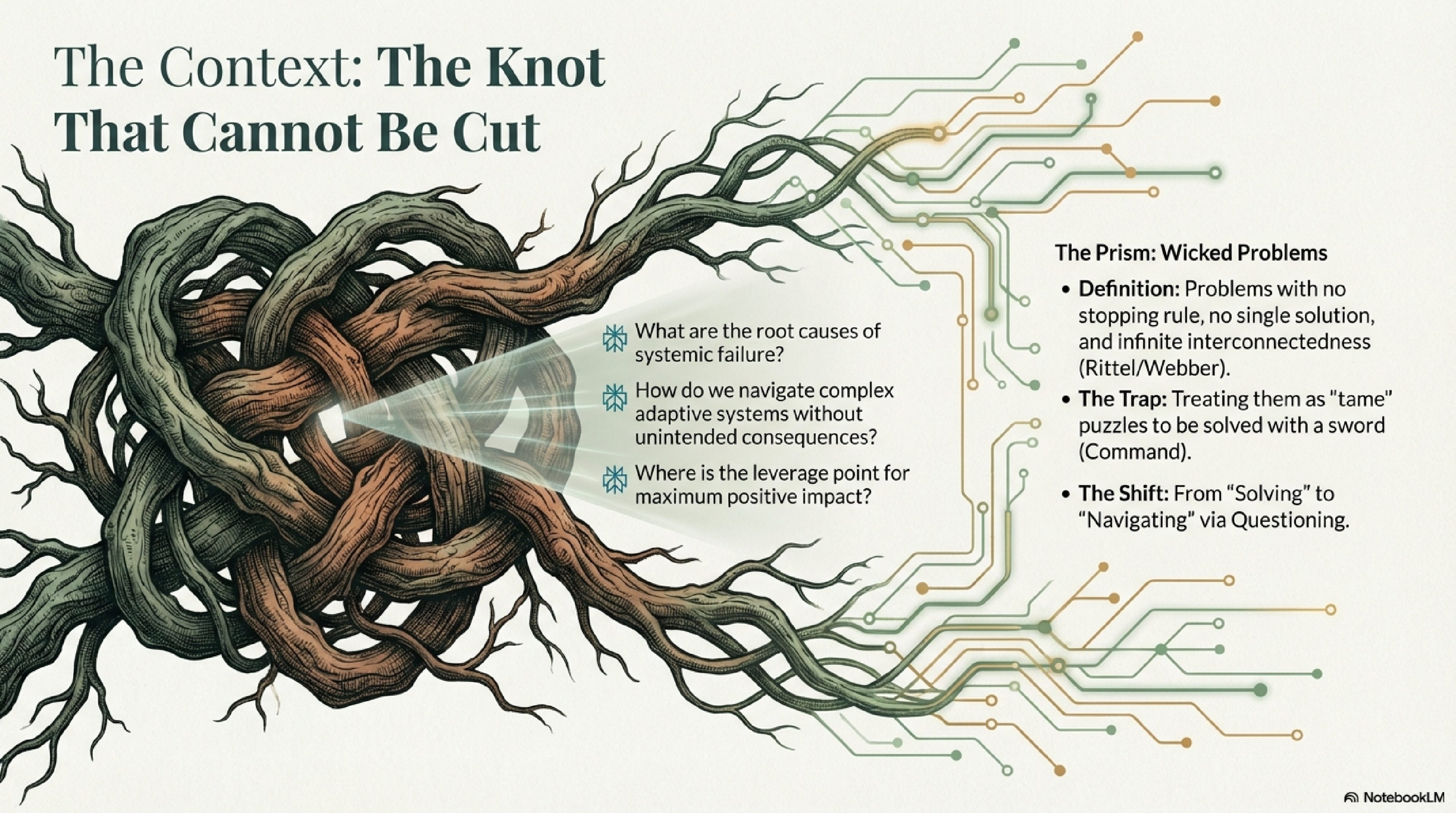
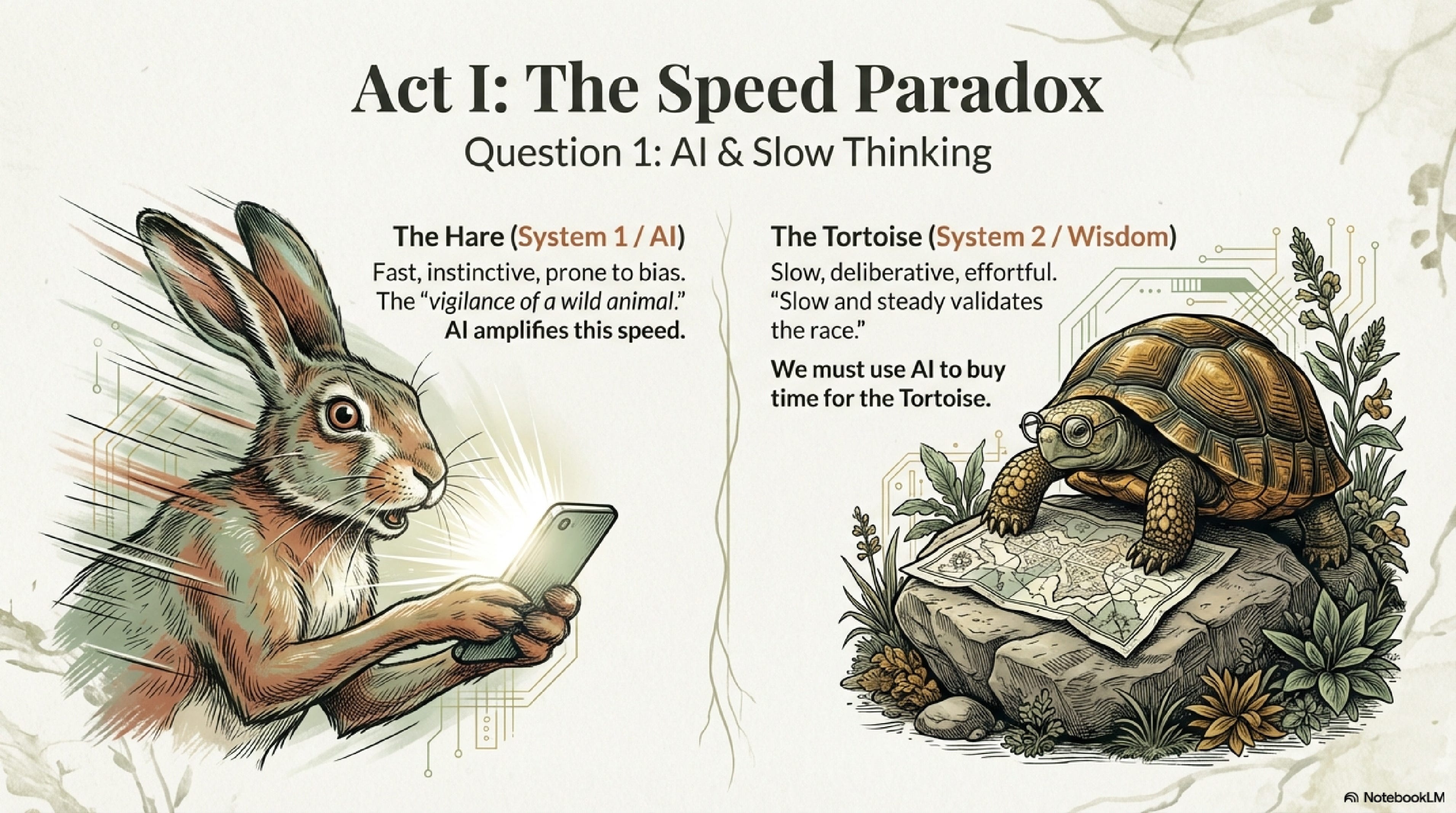
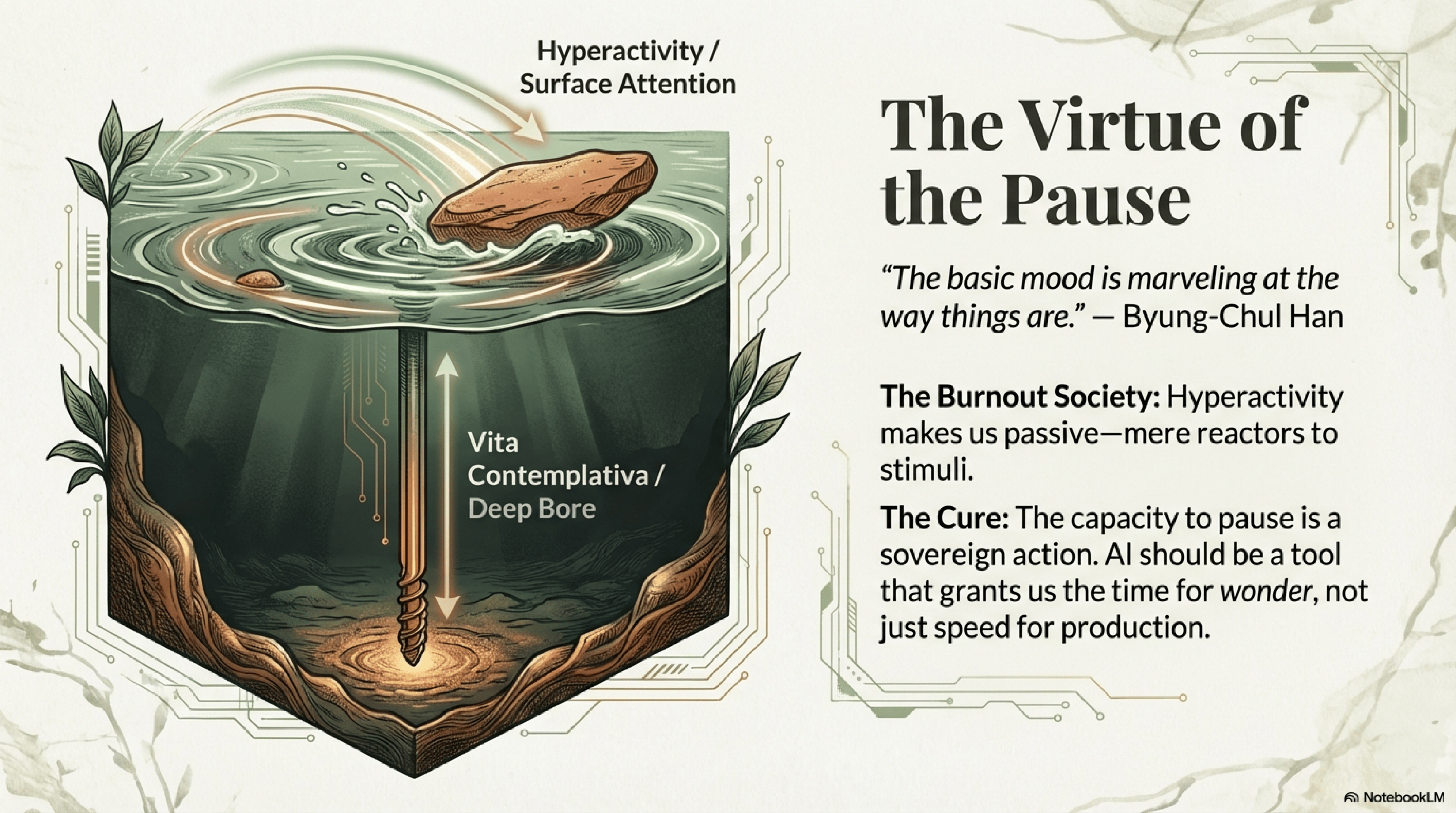
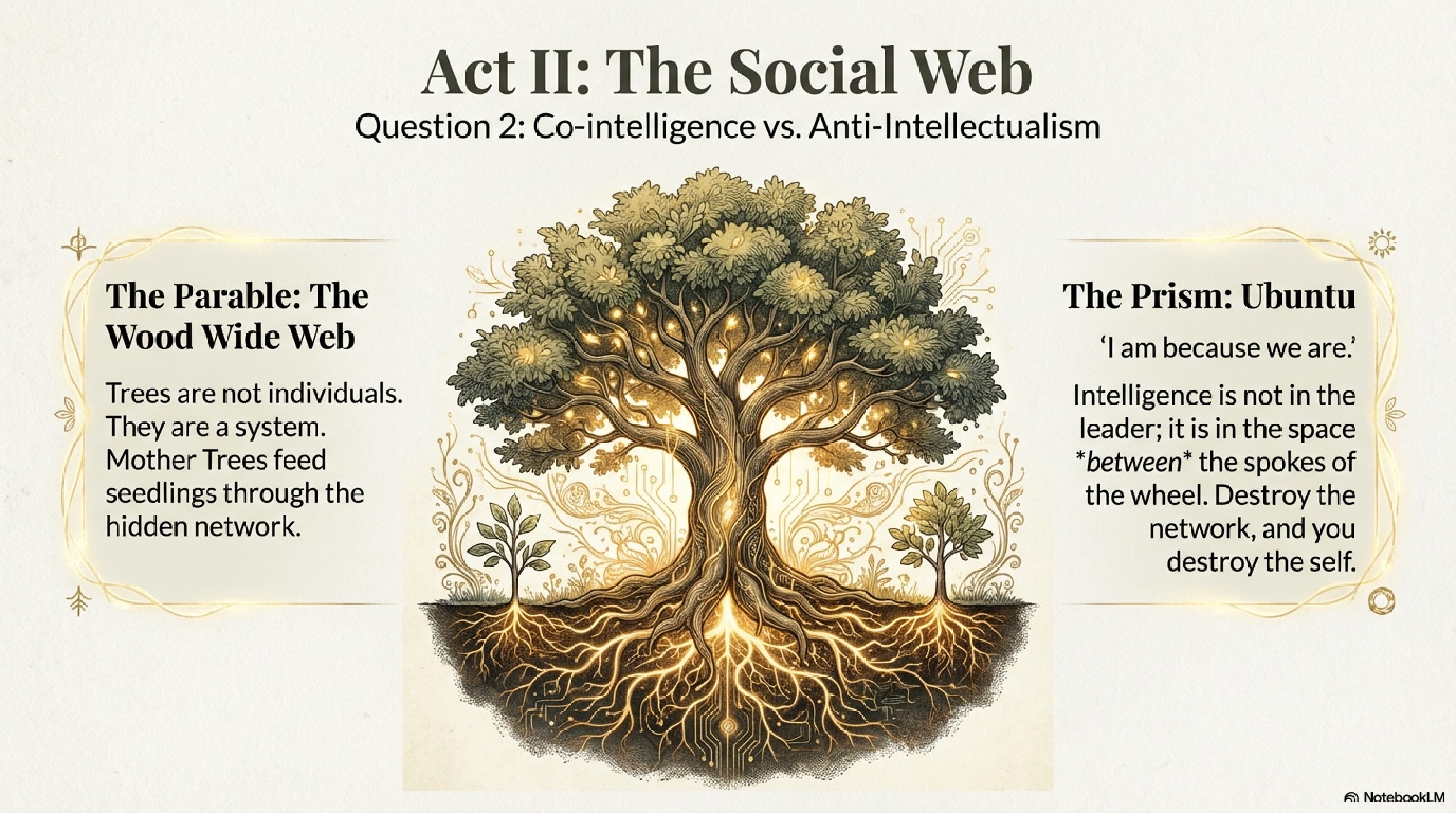
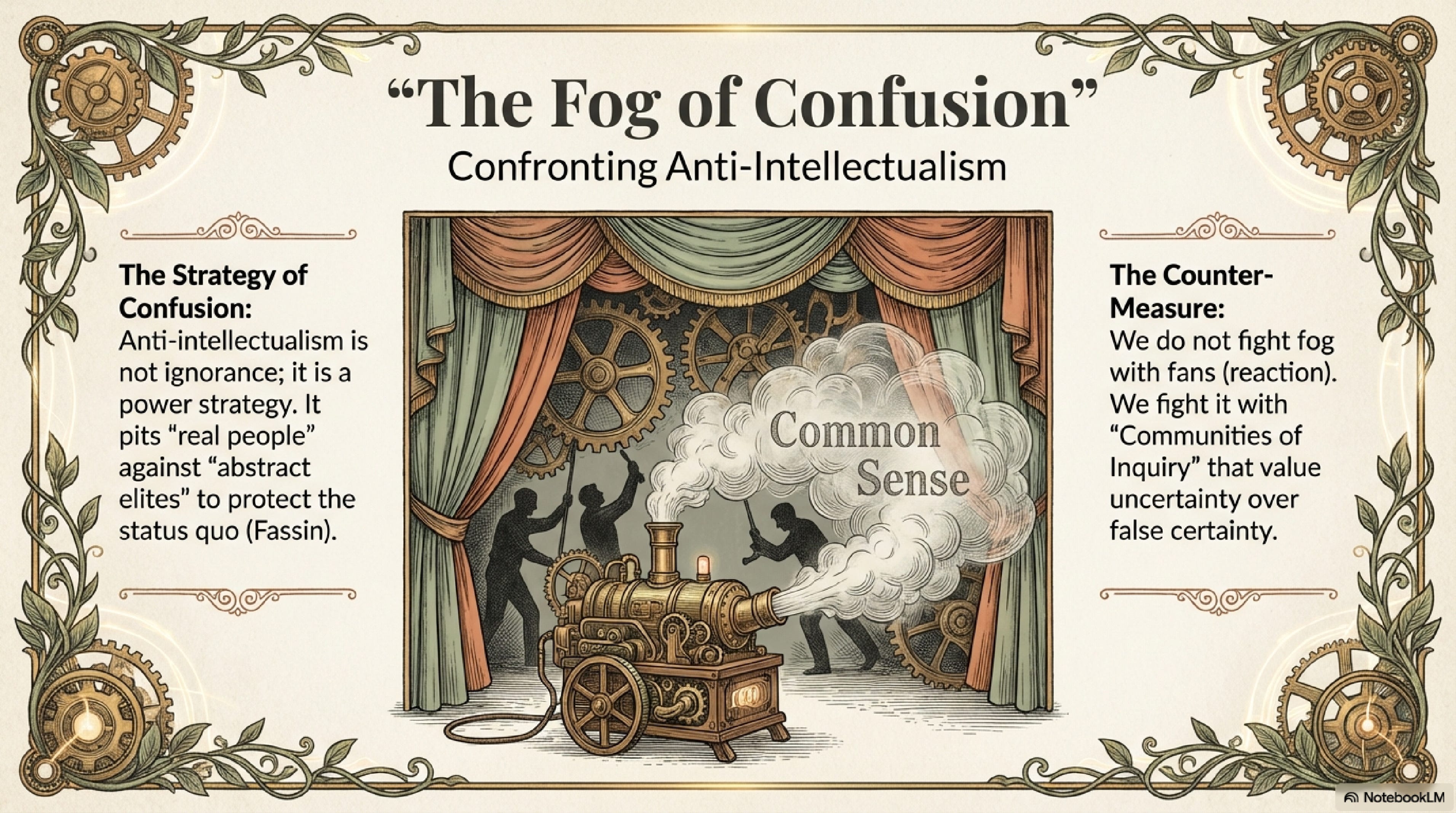
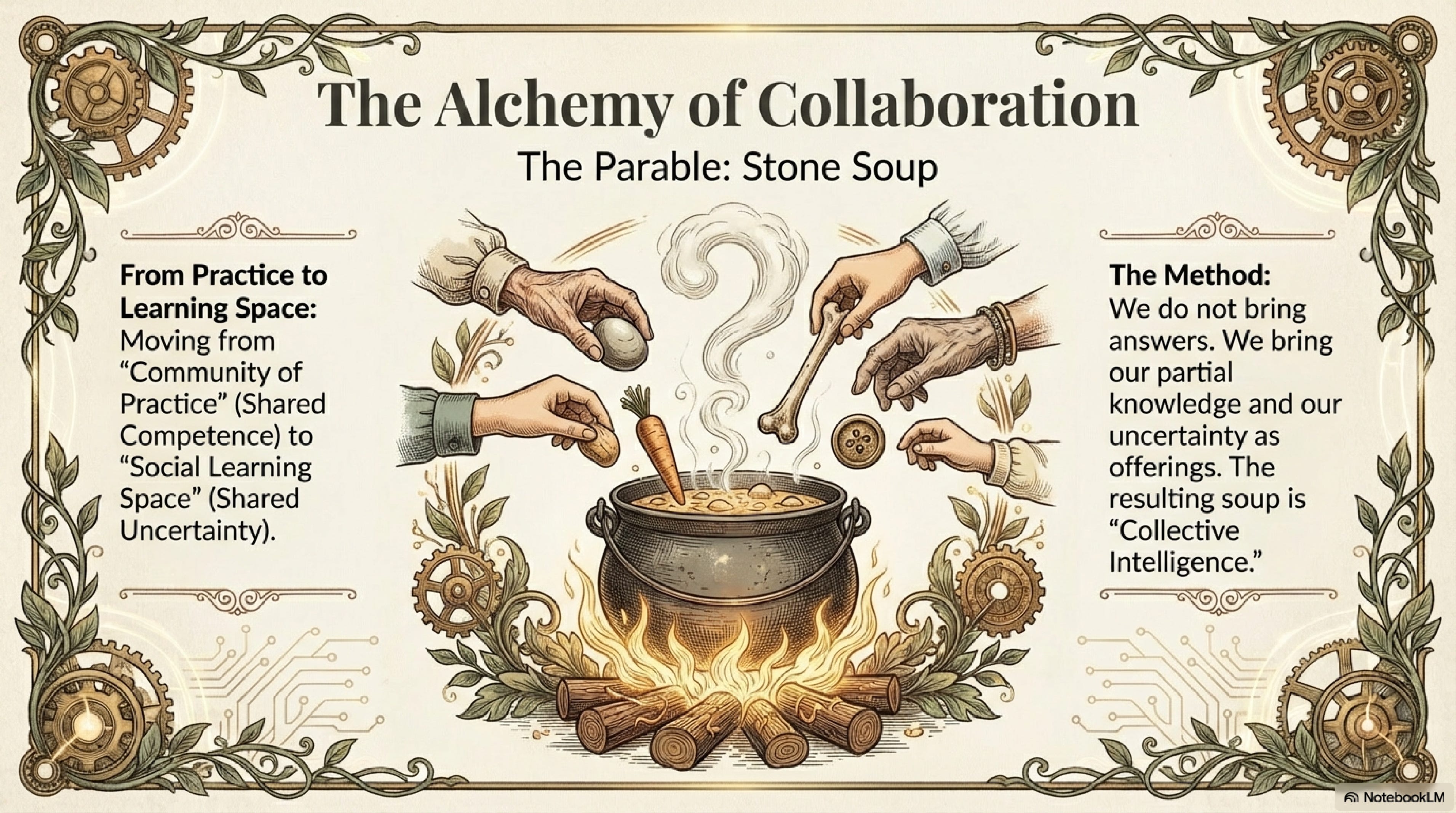
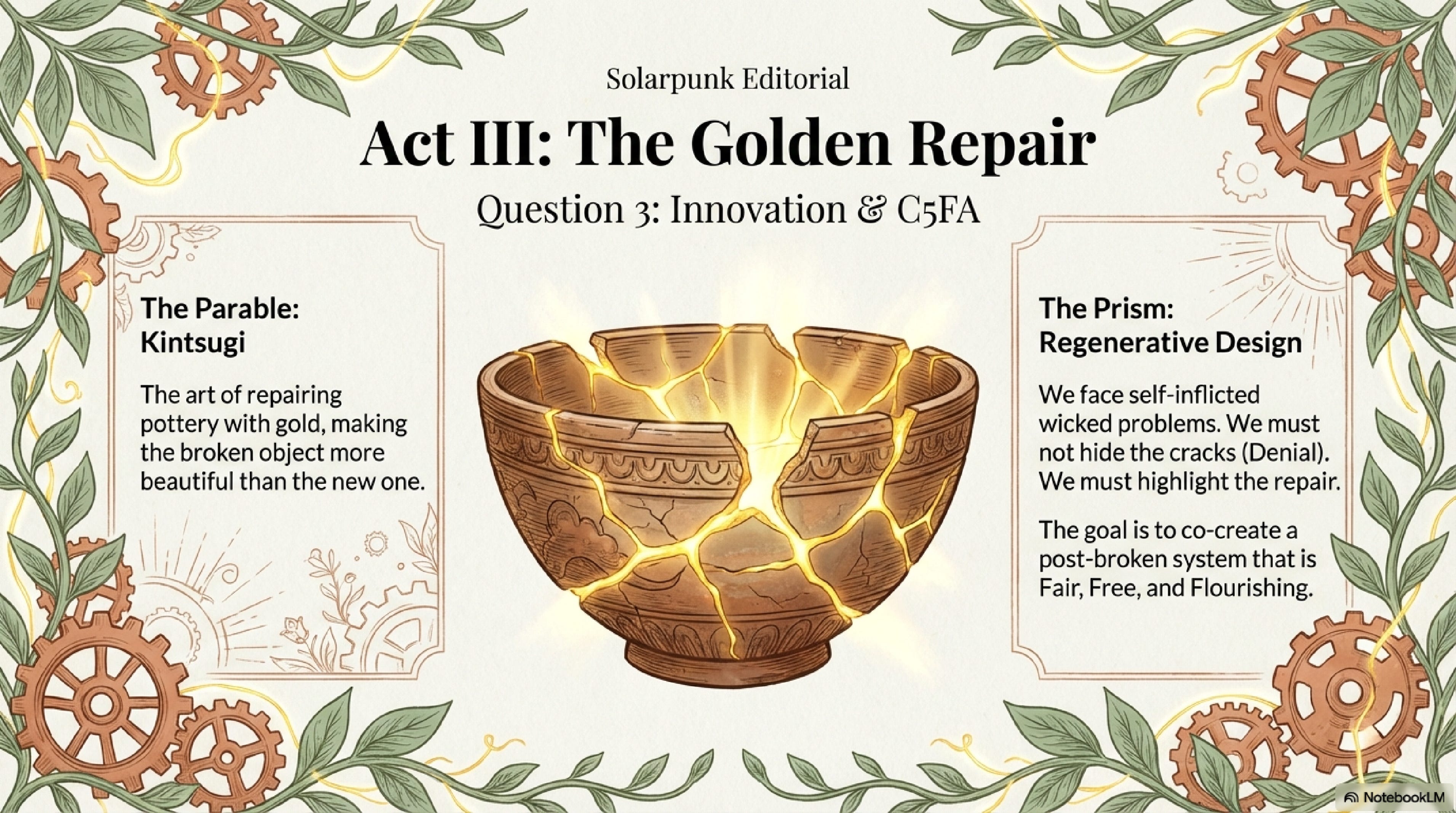
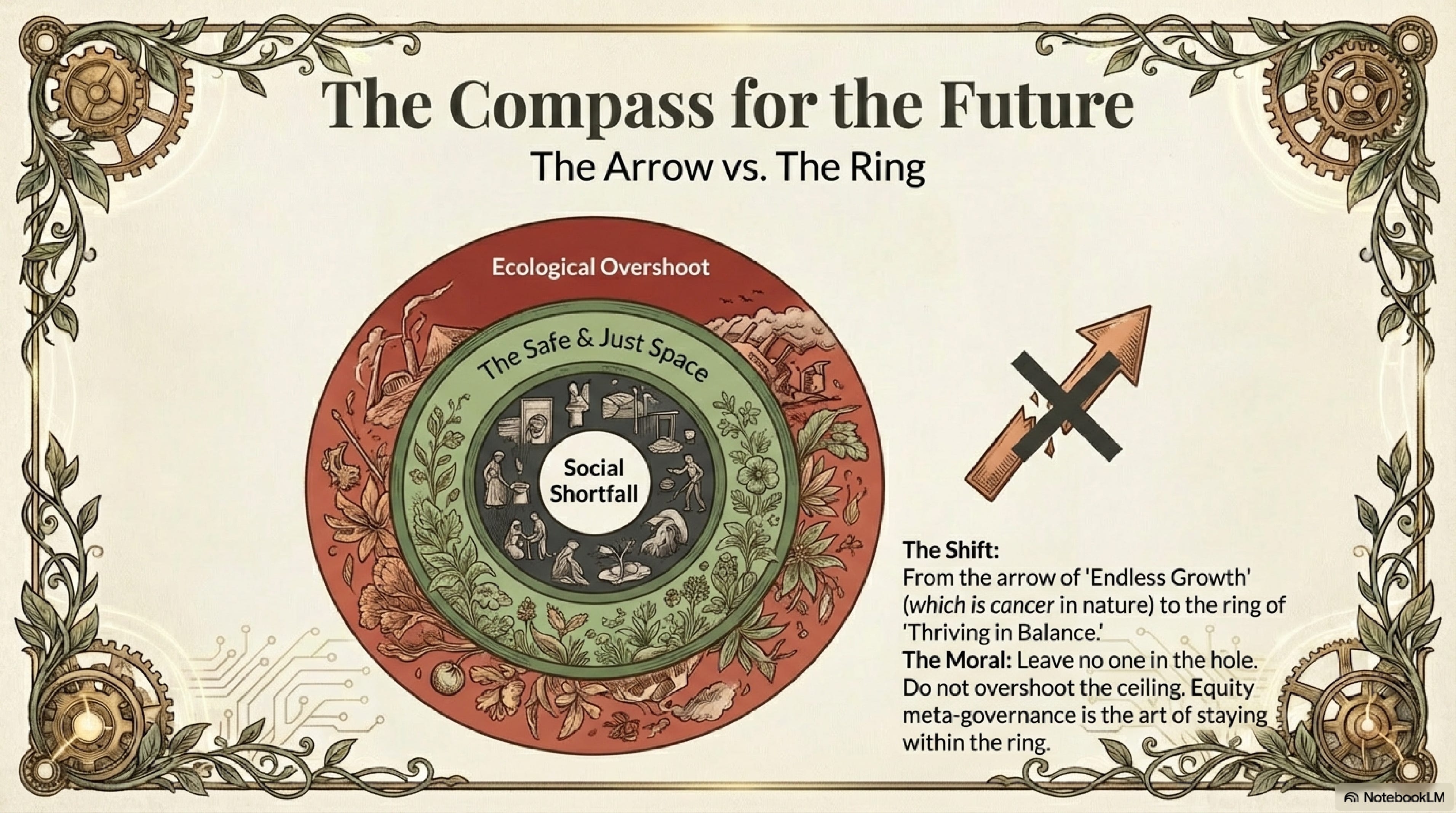
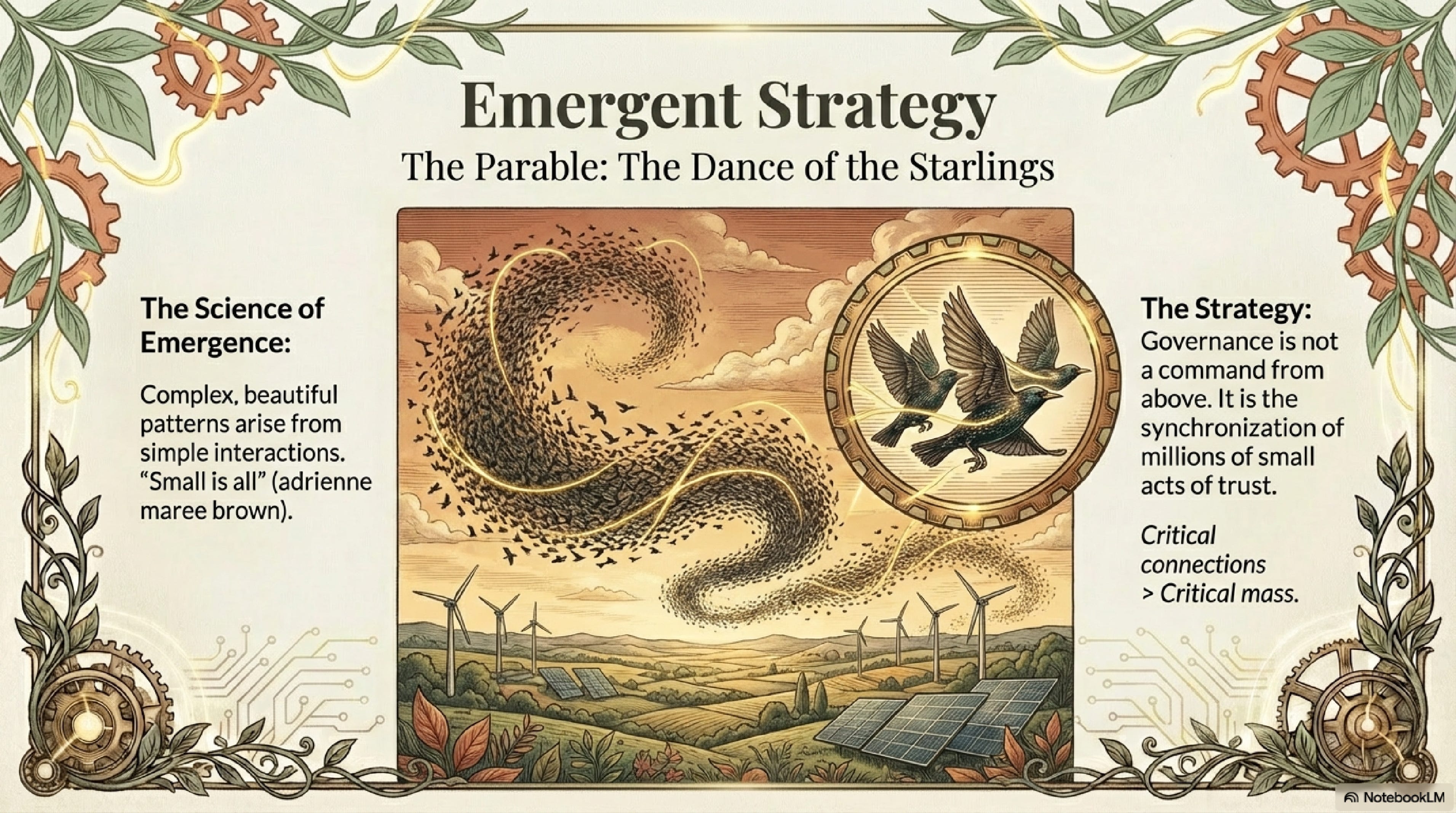
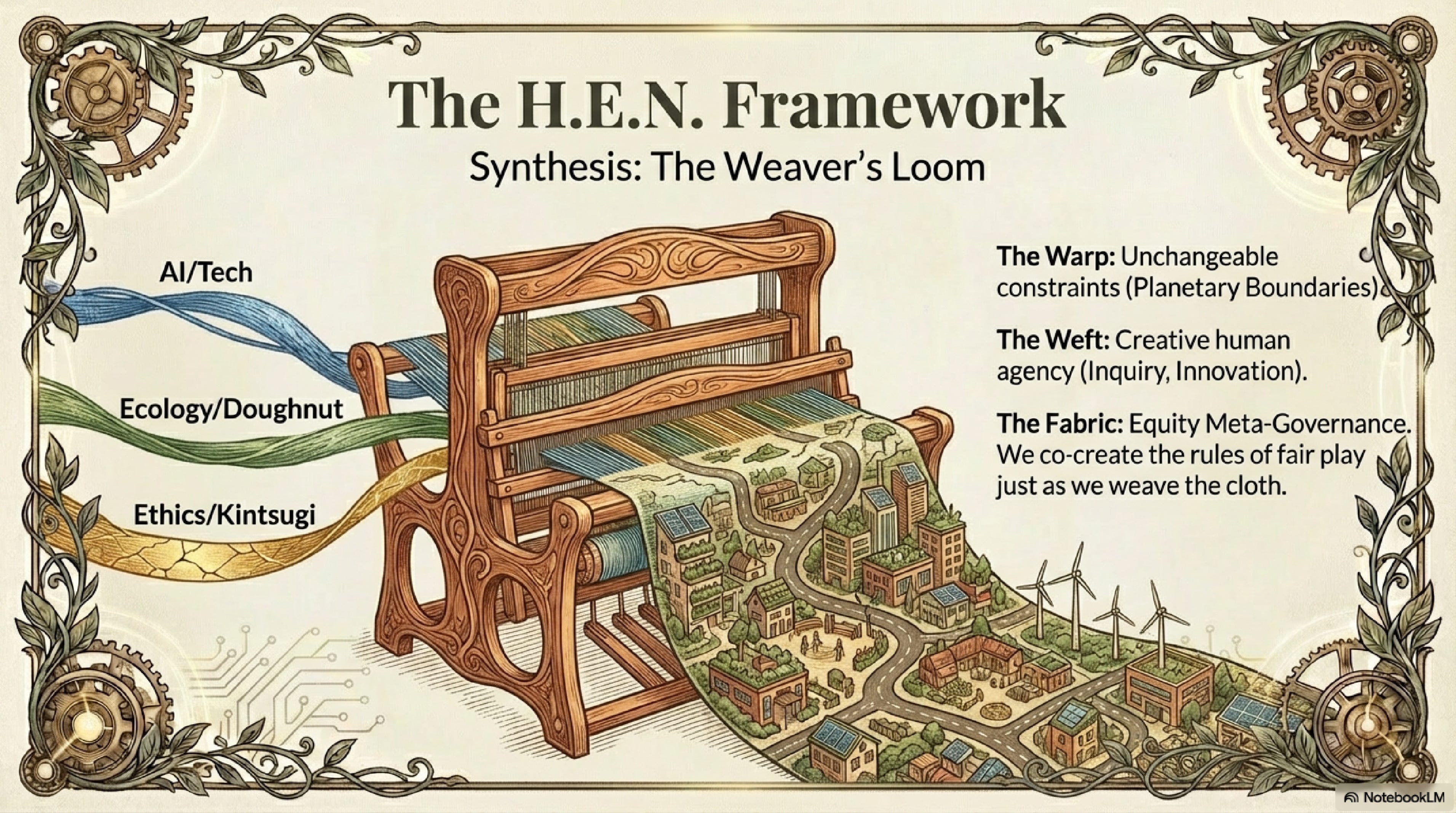
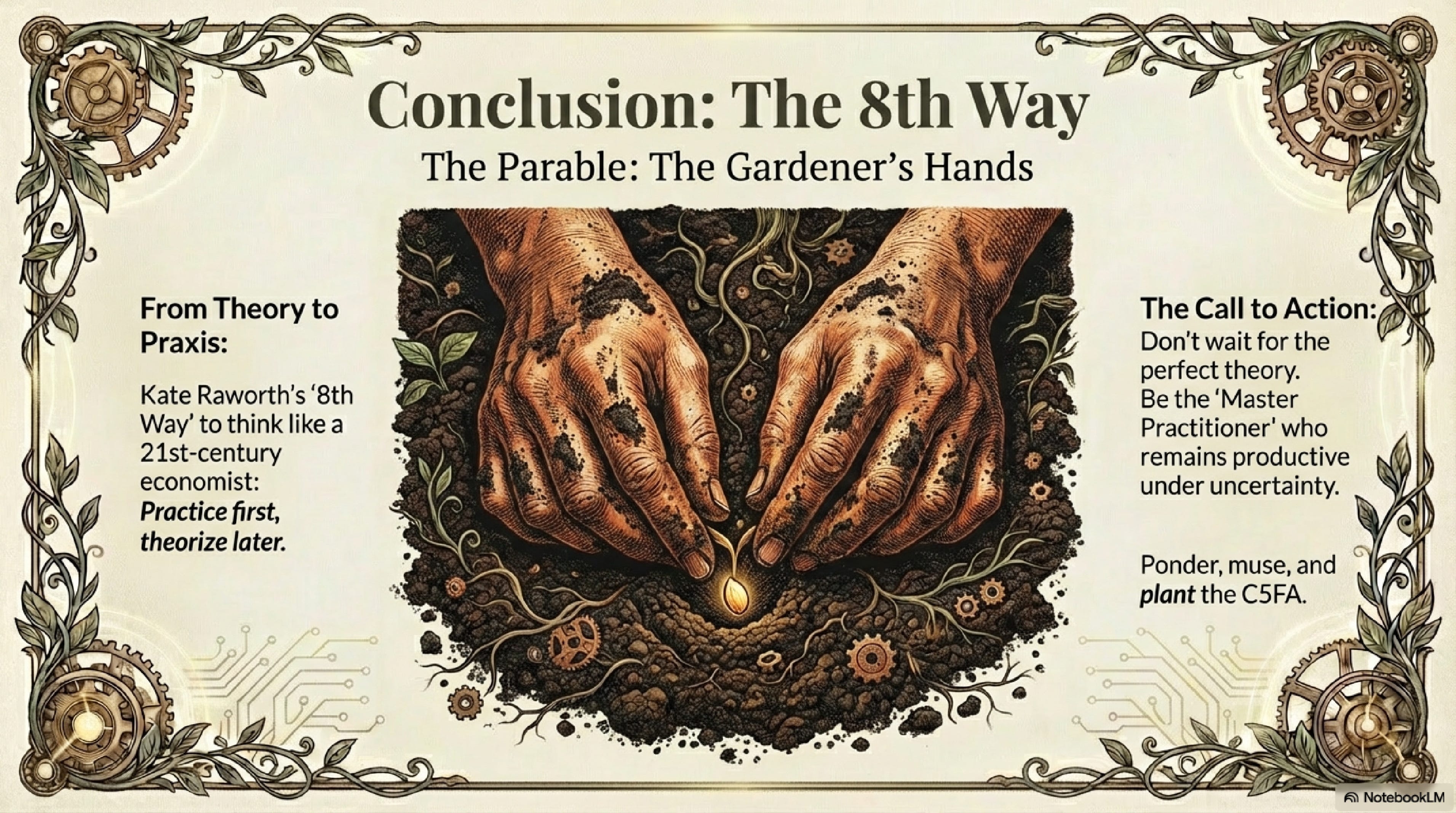
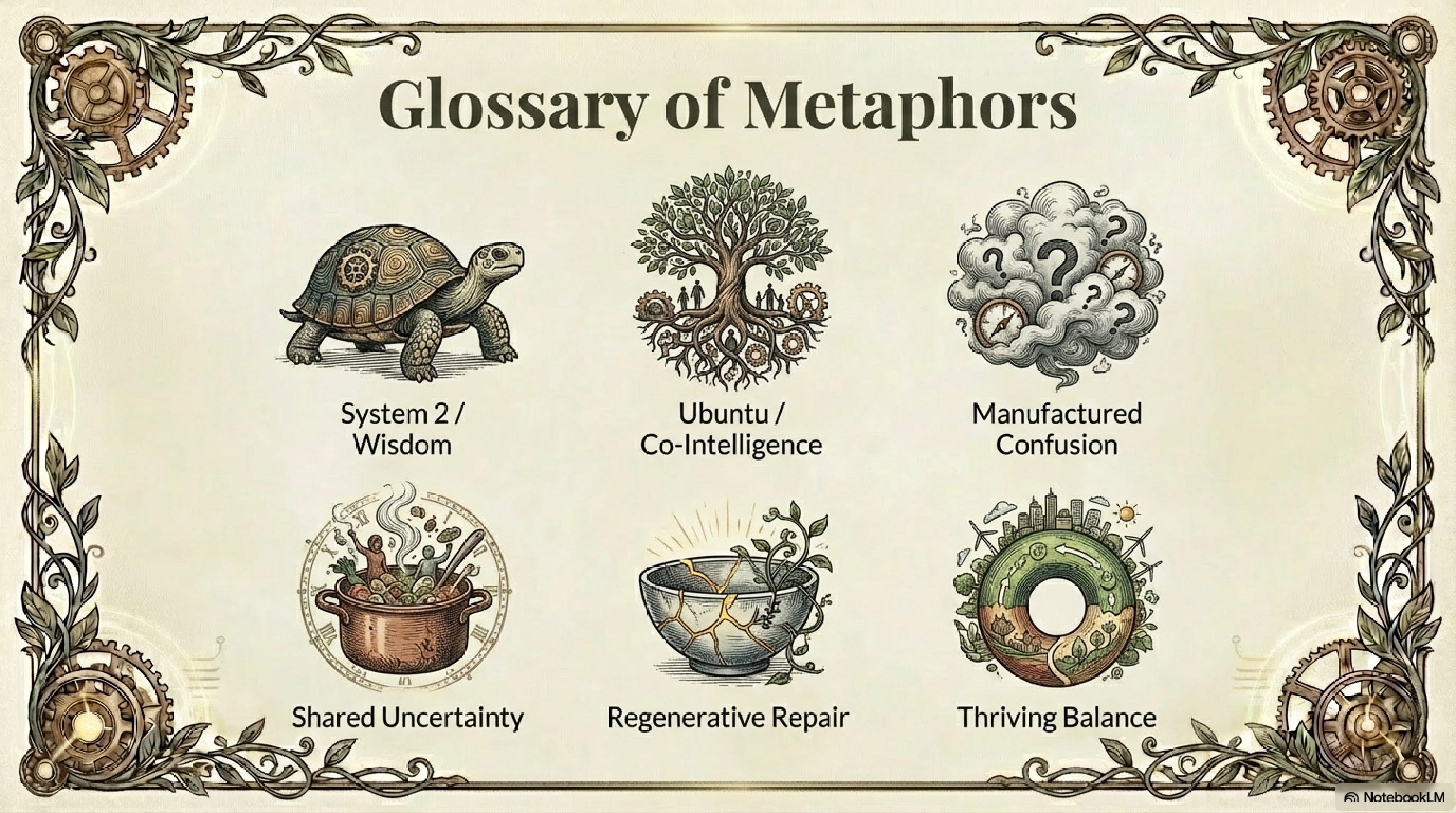
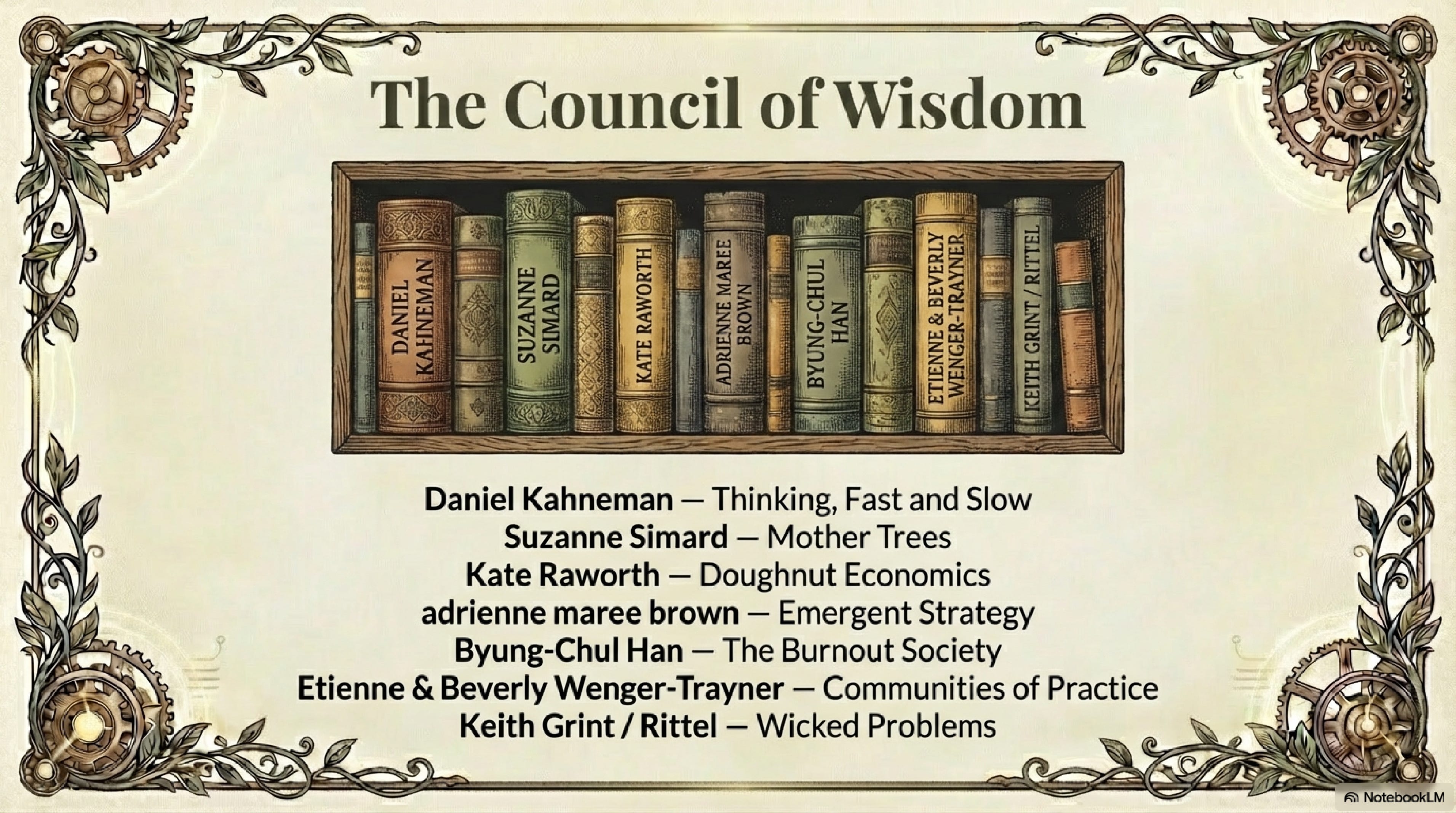
Elaborate AI output for creating these learning assets
Join the Equity Muse Movement. Participate in Humanist-guided-AI-Enabled Emancipatory Neo-learning (H.E.N.) by asking and responding to compound philosophical questions (CPQs) about understanding and addressing wicked problems.
Support this inquiry process of cultivating curiosity, open-mindedness, and humility to develop our complexity being-thinking-doing skills needed to Co-create Fair, Free, Flourishing Futures For All (#C5FA).
Subscription: Join the comment and learning section for just the cost of a cup of coffee per month. Otherwise, enjoy using these free articles and AI resources.
Learn more …
How might we use the ethical cause-based marketing of H.E.N. about equity meta-governance and the Rhodium rule to emancipate from the amoral-immoral, reductionist cults marketing mass indoctrinations?